
The glow-focused “glass skin” trend may still dominate visually in 2026, but the real transformation is happening beneath the surface. Consumers are now moving beyond temporary shine and embracing a long-term approach often described as a “skinvestment.” This means prioritising lasting results, gentle formulations, and consistent routines that support deeper skin health rather than quick fixes.
The concept of “glass skin 2.0” reflects a broader industry shift towards repair-focused care, barrier strength, skin resilience, and cellular longevity. According to Boots’ 2026 Beauty & Wellness Trends Report, nearly 80% of adults now follow a preventative approach, while 47% adjust routines due to environmental stress and skin flare-ups.
Market Trends 2026: Growth, Consumer Behaviour and Value Shift
Globally, the skin care market grew by 4.5% in 2025, reaching $169.9 billion. Europe followed a similar trend with 4.6% growth, although regional performance varied significantly. While France saw a decline, the UK experienced strong growth of 11%, highlighting shifting consumer preferences across markets.

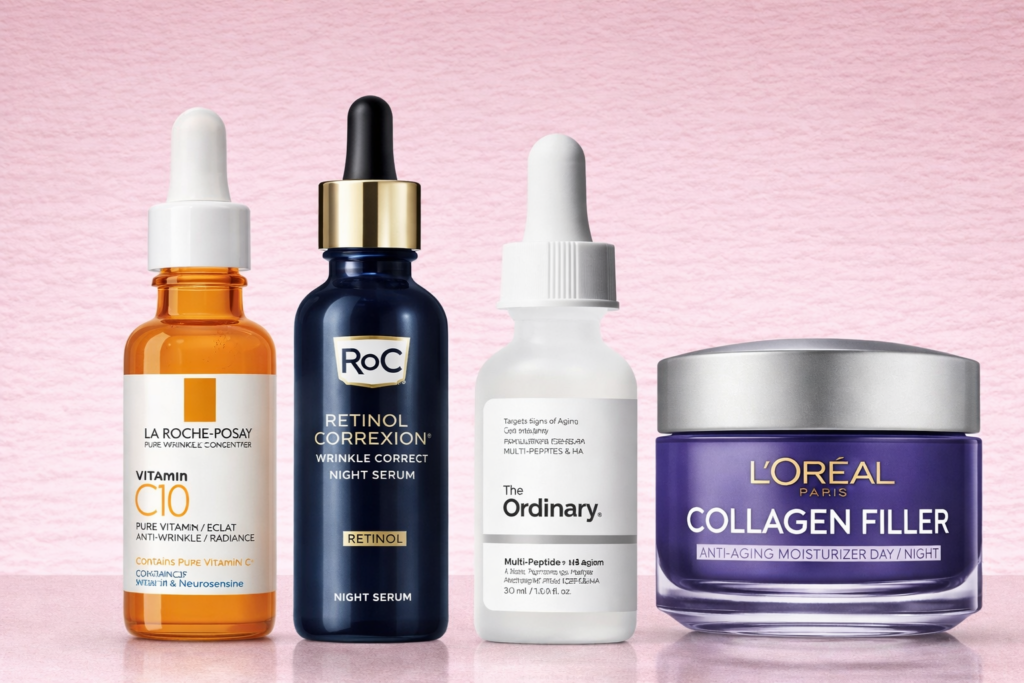
One of the most notable changes is the rapid rise of mass-market skin care. In the UK, mass brands surged by 21%, compared to just 7% growth in premium segments. Brands like Nivea, Garnier, and Simple are gaining traction by offering science-backed formulas, affordable pricing, and accessible actives such as vitamin C, peptides, and ceramides.

This shift indicates that consumers are increasingly choosing value-driven products that deliver clear results. Prestige brands, on the other hand, are being pushed to justify their pricing through innovation depth, clinical validation, and brand storytelling.
 ELF Power Grip Primer Expands Into Hair Products as Viral Beauty Brand Enters Haircare Market
Innovation in Skin Care: Technology and Ingredient Evolution
The future of skin care innovation lies in targeting the root causes of ageing at a cellular level. Technologies like L’Oréal’s Longevity AI Cloud are analysing hundreds of biomarkers to develop products that extend skin health span and improve cellular function. This represents a move towards data-driven beauty and precision formulations.
At the same time, traditional hero ingredients are being refined rather than replaced. Retinol, peptides, niacinamide, ceramides, and vitamin C are now being optimised for better absorption, reduced irritation, and enhanced performance. This shows that innovation is no longer just about new ingredients, but about improving what already works.
 Forget Planks One Powerful Move Transforms Core Strength Faster Than Traditional Ab Exercises
Key Skin Care Trends to Watch in 2026
Several standout trends are shaping the direction of the industry in 2026. These trends highlight a strong focus on skin repair, functional care, and clinical inspiration.
 8-Minute Seated Routine That Firms Sagging Thighs Faster Than Weight Training for People Over 55
- Spicules: Derived from marine sponges, these ingredients mimic microneedling effects and are gaining popularity as “liquid microneedling.”
- Procedural Skin Care: Products designed to support pre- and post-aesthetic treatments, aligning with the rise of cosmetic procedures.
- Beta-Glucan: A barrier-repair ingredient known for hydration, anti-inflammatory benefits, and UV protection support.
- Optimised Actives: Enhanced versions of familiar ingredients delivering improved results without compromising skin tolerance.
- Medical-Based Skin Care: Innovation inspired by medical science, including wound healing and regenerative treatments.
Skin Care Trends 2026 Overview Table
| Trend | Key Benefit | Main Focus | Consumer Appeal |
|---|---|---|---|
| Spicules | Microneedling-like effect | Skin renewal | High-performance results |
| Procedural Care | Supports treatments | Pre/post recovery | Professional-grade care |
| Beta-Glucan | Barrier repair | Hydration & soothing | Sensitive skin friendly |
| Optimised Actives | Improved efficacy | Ingredient refinement | Trusted solutions |
| Medical-Based | Clinical innovation | Regeneration | Science-driven results |