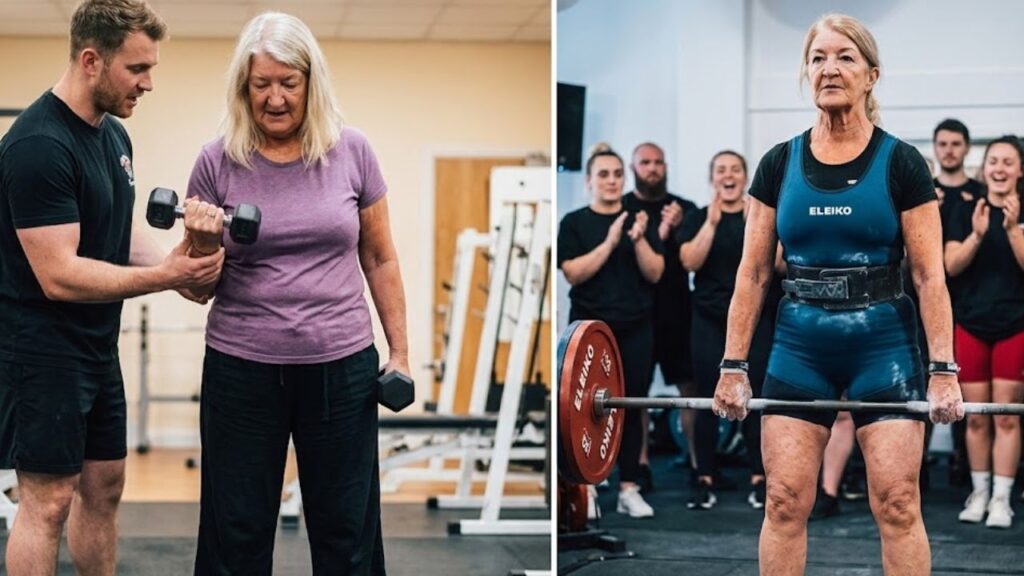

Strong core muscles make everyday movement feel smoother, steadier, and more confident. Walking becomes easier, posture stays upright, and simple tasks like standing up from a chair require less effort. After the age of 60, maintaining a strong midsection plays a key role in improving balance, coordination, and overall movement quality.
Bed-based core training is a practical and highly effective way to begin, especially for those who find floor exercises uncomfortable or difficult. The soft and supportive surface reduces strain on the hips and spine while still activating deep stabilizing muscles. Many individuals notice a stronger mind-muscle connection when starting their day with these exercises, as the setup feels safe and controlled. This approach allows better focus on breathing, posture, and proper movement from the start.
These exercises are often recommended because they help build confidence quickly while creating a strong foundation for long-term strength. As the core improves, daily movements feel more natural and less tiring. By practicing the four exercises below with proper control, you can significantly enhance your core strength at any age.

Dead Bug Exercise for Core Stability
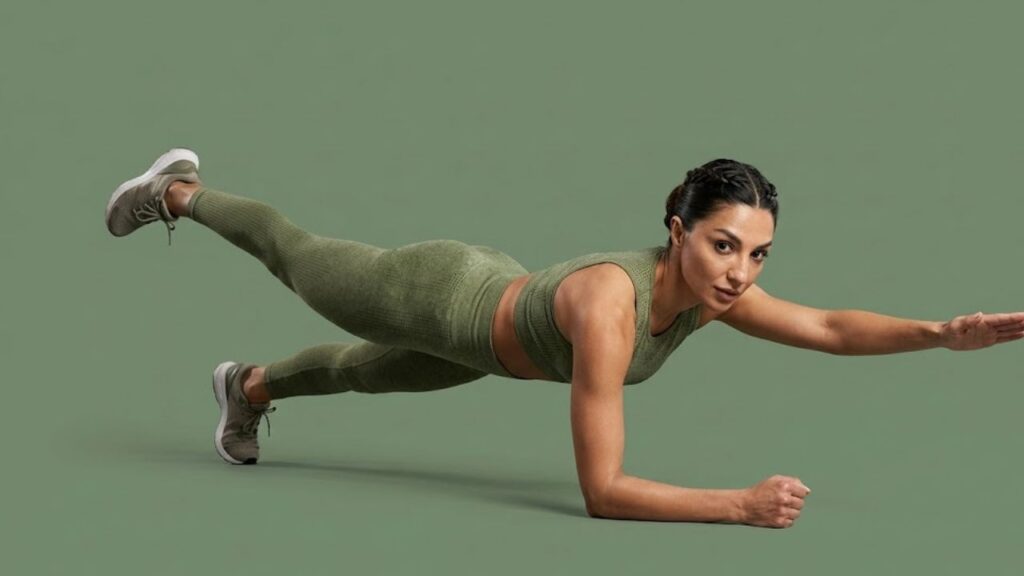
The dead bug is excellent for teaching the core to stay stable while the arms and legs move. This ability directly improves walking, lifting, and balance. While many people associate core training with bending or twisting, stability is often more important. This exercise helps activate deep core muscles effectively without putting pressure on the spine.

Muscles Trained: Rectus abdominis, transverse abdominis, hip flexors, obliques
How to Do It:
Lie on your back on the bed with arms extended upward and knees bent at 90 degrees.
Engage your core and gently press your lower back into the bed.
Extend your right arm overhead while lowering your left leg toward the bed.
Stop just before your heel touches the surface.
Return to the starting position slowly.
Switch sides and continue alternating.
Recommended Sets and Reps: 3 sets of 8 to 12 reps per side with 45 to 60 seconds rest.
Form Tip: Keep your lower back pressed into the bed throughout the movement.
Reverse Crunch for Lower Core Strength
The reverse crunch targets the lower abdominal area and improves coordination between the hips and core. It is especially helpful for movements that involve lifting and controlling the legs. Compared to traditional crunches, this exercise is more comfortable for the neck and upper back while still delivering strong core engagement.
Muscles Trained: Lower abdominals, hip flexors, obliques, deep core stabilizers
How to Do It:
Lie on your back with knees bent and feet resting lightly on the bed.
Keep your arms beside your body for support.
Tighten your core and pull your knees toward your chest.
Lift your hips slightly off the bed using your abdominal muscles.
Lower your hips and feet back down slowly.
Repeat with control.
Recommended Sets and Reps: 3 sets of 10 to 15 reps with 45 to 60 seconds rest.
Form Tip: Focus on lifting your hips rather than swinging your legs.
 Core Strength After 55: 5 Beginner Exercises That Build Stability Faster Than Traditional Planks
Russian Twist for Rotational Strength
The Russian twist improves rotational strength, which supports turning, reaching, and maintaining control while walking. Many people lose rotational ability with age, which can affect balance. This exercise helps restore controlled movement without requiring standing balance.
Muscles Trained: Obliques, rectus abdominis, hip flexors, deep core stabilizers
How to Do It:
Sit on the bed with knees bent and heels resting lightly.
Lean back slightly while keeping your chest upright.
Engage your core and rotate your torso to the right.
Return to the center, then rotate to the left.
Continue alternating sides in a controlled manner.
Recommended Sets and Reps: 3 sets of 12 to 20 rotations with 45 to 60 seconds rest.
Form Tip: Rotate through your torso instead of just moving your arms.
Supine Knee Tucks for Lower Core Control
Supine knee tucks combine lower core strength with controlled hip movement. This exercise challenges your ability to maintain tension while moving your legs. It helps improve endurance and supports everyday activities like walking and climbing stairs.
Muscles Trained: Lower abdominals, hip flexors, rectus abdominis, transverse abdominis
How to Do It:
Lie on your back with legs extended and arms by your sides.
Engage your core and lift your feet slightly off the bed.
Pull your knees toward your chest with control.
Pause briefly while keeping tension.
Extend your legs back without arching your lower back.
Repeat smoothly.
Recommended Sets and Reps: 3 sets of 10 to 15 reps with 45 to 60 seconds rest.
Form Tip: Keep your core tight to prevent your lower back from lifting.
 ’90s Bob Gets a Modern Update for Spring as Stylists Refresh the Classic Cut With Softer Movement
Best Tips to Build Core Strength After 60
Building core strength after 60 depends on consistency, control, and choosing the right exercises. The body can still adapt effectively when given proper training and recovery. Many people regain strength and stability within a few months by following a structured routine. The key is to move with control and avoid rushing through exercises.

- Train your core three to four times weekly for better endurance
- Perform slow and controlled repetitions for deeper muscle activation
- Focus on steady breathing while engaging your core
- Increase intensity gradually instead of making sudden changes
- Include full-body exercises to support overall stability
- Stay consistent to see long-term improvements
Core Exercise Summary Table
| Exercise | Main Benefit | Reps | Focus Area |
|---|---|---|---|
| Dead Bug | Core stability | 8–12 per side | Deep core muscles |
| Reverse Crunch | Lower abs strength | 10–15 reps | Lower core |
| Russian Twist | Rotational strength | 12–20 reps | Obliques |
| Supine Knee Tucks | Core endurance | 10–15 reps | Lower core control |