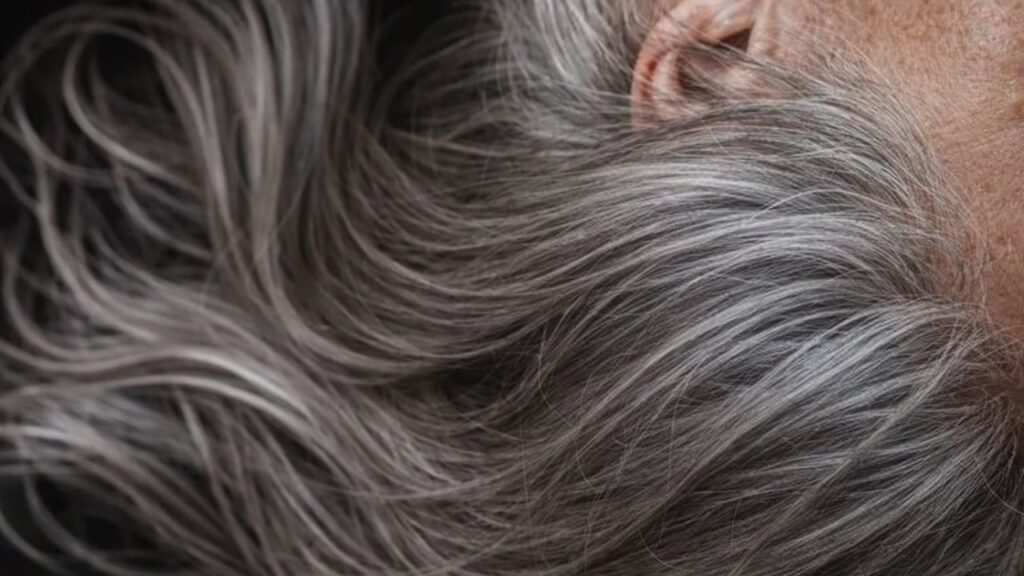
Gray hair is one of the most visible signs of aging, yet it remains one of the most misunderstood biological processes. Many people wonder whether gray hair can truly be prevented or even reversed. Modern research has started to uncover the fascinating science behind pigment loss in hair follicles, revealing how genetics, oxidative stress, and lifestyle factors influence the process. While aging naturally reduces melanin production, scientists are exploring new ways to protect pigment cells and slow down this transformation, raising intriguing possibilities for managing aging hair changes, maintaining natural hair pigment, understanding melanin production decline, and improving overall hair follicle health.
The Science Behind Gray Hair and Pigment Loss
Hair color comes from melanin, a pigment produced by specialized cells called melanocytes inside hair follicles. Over time, these cells gradually become less active, causing the hair shaft to grow without color. Researchers have found that oxidative stress, genetics, and cellular aging contribute to this shift. When pigment producing cells weaken, the follicle loses its ability to create color molecules efficiently. In addition, the accumulation of hydrogen peroxide buildup inside hair follicles can interfere with the pigment process. Scientists also point to cellular aging signals that slow melanin production and disrupt the delicate balance within the follicle, ultimately leading to melanin depletion cycle and visible gray strands.
Can Gray Hair Be Prevented Naturally?
While genetics still plays the largest role in determining when hair turns gray, research suggests that certain habits may help delay the process. Maintaining strong follicle function requires proper nutrition and cellular protection. Diets rich in antioxidants may reduce oxidative stress damage, which is known to affect pigment cells. Nutrients like vitamin B12, copper, and iron also support hair pigment support and follicle activity. Additionally, reducing chronic stress may improve the body’s cell regeneration balance, which can influence hair growth cycles. Scientists are also studying whether lifestyle choices that support follicle stem cell protection might help preserve pigment for a longer period.

New Research on Reversing Gray Hair
Recent scientific studies suggest that gray hair might not always be a permanent change. Some researchers have observed that when stress levels decrease or certain biological pathways stabilize, pigment production can partially recover. The focus is now on restoring melanocyte stem cells within the follicle, which play a crucial role in pigment regeneration. Experimental approaches are exploring ways to reactivate dormant pigment cells and repair follicle pigment pathways. Although these discoveries are still evolving, the concept of reversible hair greying is becoming an increasingly discussed topic in the field of aging biology and dermatological research.

What Current Science Suggests About Aging Hair
Although gray hair remains a natural part of aging, modern research is revealing that the process is far more dynamic than once believed. Scientists now understand that pigment loss involves multiple biological systems working together. Protecting the health of follicle cells may help slow down color loss over time. A combination of balanced nutrition, stress management, and emerging scientific discoveries could influence how hair ages in the future. While a complete cure for gray hair does not yet exist, growing knowledge about hair aging biology, pigment cell survival, cellular repair pathways, and future hair science continues to reshape our understanding of this common transformation.
| Factor Affecting Gray Hair | Role in Pigment Loss |
|---|---|
| Genetics | Determines when pigment cells naturally decline |
| Oxidative Stress | Damages melanocytes and accelerates pigment loss |
| Nutritional Deficiencies | Can weaken pigment production and follicle health |
| Chronic Stress | May disrupt melanocyte stem cell activity |
| Cellular Aging | Reduces melanin production over time |
Frequently Asked Questions (FAQs)
1. Can gray hair naturally regain its original color?
In rare cases pigment may partially return if follicle cells recover from stress or biological disruption.
2. What causes hair to turn gray in the first place?
 Core Strength After 55: 5 Beginner Exercises That Build Stability Faster Than Traditional Planks
Gray hair occurs when melanocyte cells stop producing melanin pigment inside hair follicles.
3. Does stress really accelerate gray hair?
Research suggests chronic stress may affect melanocyte stem cells and speed up pigment loss.
4. Are there treatments that can completely reverse gray hair?
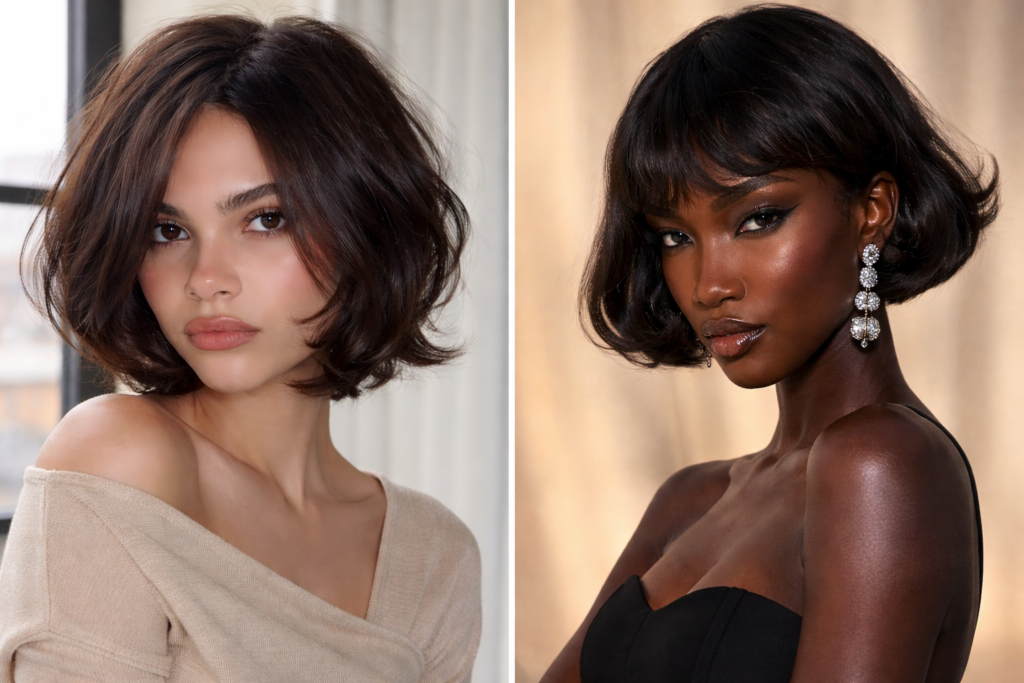
 ’90s Bob Gets a Modern Update for Spring as Stylists Refresh the Classic Cut With Softer Movement
Currently no permanent cure exists, but scientists are studying ways to reactivate pigment cells.