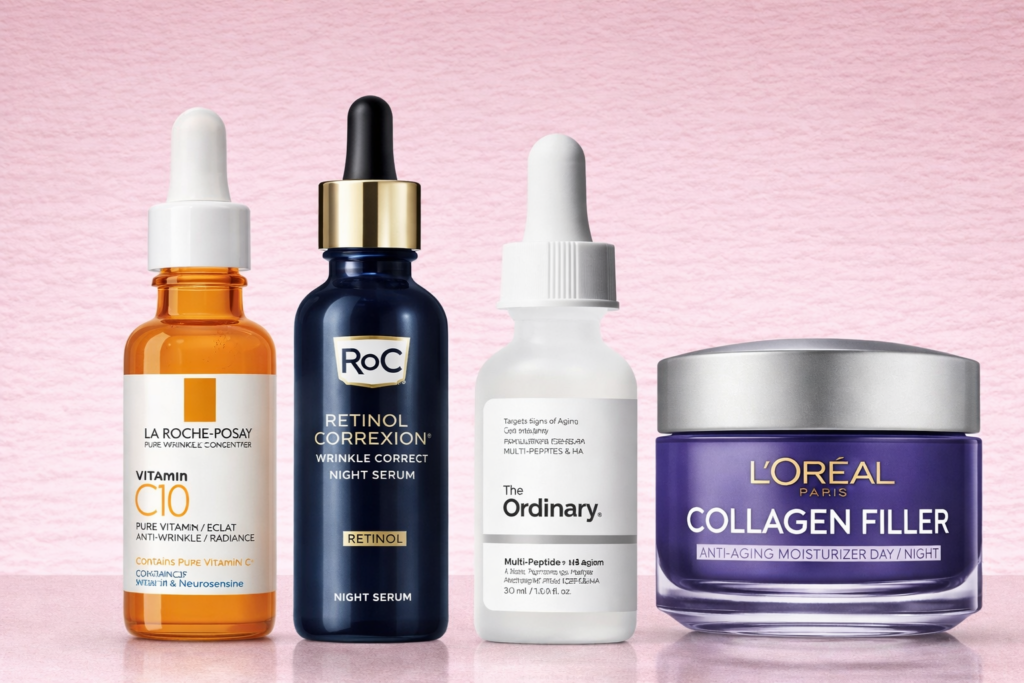

Choosing skincare when you have sensitive skin can feel frustrating. Many products promise gentle care but end up causing redness, irritation, or breakouts. If your skin reacts quickly to new ingredients, finding the right products becomes even more important. Clean beauty offers a practical solution because it focuses on simple formulas, transparent ingredients, and fewer harsh chemicals. Instead of overwhelming your skin with complex formulas, clean skincare prioritizes ingredients that work with your skin barrier. With the right approach, you can create a calming routine that hydrates, protects, and supports sensitive skin without triggering unwanted reactions.
Why Clean Beauty Works Well for Sensitive Skin
Clean beauty focuses on reducing unnecessary chemicals and prioritizing skin-friendly ingredients. For sensitive skin, this approach helps lower the risk of irritation, redness, and sudden breakouts. Many traditional beauty products include synthetic fragrance, strong preservatives, and harsh additives that can overwhelm reactive skin.
Clean formulations usually provide greater transparency in their ingredient lists. This makes it easier to identify potential triggers and avoid them in the future. Instead of relying on aggressive ingredients, clean skincare often uses plant-based actives, mild humectants, and gentle laboratory-derived ingredients that support the skin barrier.

Research also suggests that skincare with shorter and simpler ingredient lists reduces the likelihood of skin reactions. When products focus on compatibility with the skin’s natural biology, they are more likely to deliver results without causing discomfort.

Ingredients That Sensitive Skin Usually Tolerates Well
When selecting skincare products, understanding ingredient benefits is essential. Certain ingredients are widely known for being gentle and supportive for reactive skin types.
Hyaluronic acid is one of the most effective hydration ingredients. It can retain up to 1,000 times its weight in water, helping the skin stay plump and moisturized without feeling heavy. Because it naturally occurs in the skin, it rarely causes irritation.
Ceramides are also extremely valuable for sensitive skin. These lipids strengthen the skin barrier and prevent moisture loss, helping reduce sensitivity over time. Products that contain multiple ceramide types tend to offer better barrier repair.
Niacinamide, also known as vitamin B3, is another gentle yet powerful ingredient. It helps calm redness, regulate oil levels, and improve skin barrier strength without the intensity associated with stronger active ingredients.
Aloe vera remains a classic soothing ingredient. It provides immediate comfort, reduces inflammation, and hydrates irritated skin, making it ideal for sensitive skincare routines.
Modern Skincare Innovations That Help Calm Skin
Recent advancements in skincare science have introduced biotech-derived ingredients designed to deliver benefits without irritation. These ingredients are carefully developed in laboratories to maintain purity and stability.
Lab-created peptides are commonly used as gentle anti-aging ingredients. They help support collagen production and improve skin elasticity without the irritation sometimes caused by retinoids.
Prebiotic ingredients are another innovation that benefits sensitive skin. These compounds help support the skin’s natural microbiome, encouraging beneficial bacteria while reducing inflammation and sensitivity.
Because these ingredients are precisely formulated, they often provide consistent results while maintaining a gentle profile suitable for reactive skin.
Ingredients Sensitive Skin Should Avoid
Understanding which ingredients to avoid is just as important as knowing which ones to choose. Even products labeled natural or organic can contain components that irritate sensitive skin.
Fragrance is one of the most common triggers. Whether synthetic or natural, fragrance can cause redness, itching, and irritation. For this reason, fragrance-free products are usually the safest option for sensitive skin.
Sulfates such as sodium lauryl sulfate can also be problematic. These ingredients create foaming action in cleansers but can strip away natural oils and weaken the skin barrier.
Denatured alcohol is another ingredient to watch out for. While it is often used to create lightweight textures, it may cause dryness and irritation in reactive skin types. However, fatty alcohols such as cetyl alcohol or stearyl alcohol are generally safe and moisturizing.
Natural Ingredients That May Still Cause Irritation
Natural ingredients are not always gentle. Essential oils such as citrus, mint, and eucalyptus can trigger reactions in sensitive skin. Even botanical extracts may cause irritation if used in high concentrations.
Another factor to consider is manufacturing contamination. If products are not produced under strict quality standards, allergens may unintentionally enter the formula. Choosing brands that follow reliable production practices helps reduce this risk.
How to Build a Simple Sensitive Skin Routine
Creating a routine for sensitive skin should focus on simplicity and consistency. Instead of using many products at once, start with a few essential items and add new products gradually.
A gentle cleanser should be the first step in the routine. Cream or lotion cleansers tend to be better for sensitive skin because they clean without stripping away natural oils. Ingredients like glycerin and hyaluronic acid help maintain hydration during cleansing.
After cleansing, apply a lightweight serum containing calming ingredients such as niacinamide or hyaluronic acid. Follow with a moisturizer that contains ceramides to strengthen the skin barrier.
Sunscreen is also essential for protecting sensitive skin. Mineral sunscreens with zinc oxide or titanium dioxide are generally better tolerated than chemical sunscreen formulas.
 Core Strength After 55: 5 Beginner Exercises That Build Stability Faster Than Traditional Planks
Night Routine for Repair and Recovery
Nighttime skincare should focus on repairing the skin barrier and reducing inflammation caused during the day. If you wear makeup, double cleansing can help remove residue without excessive rubbing.
Start with a gentle cleansing oil to dissolve makeup and sunscreen, then follow with a mild cleanser. This method cleans the skin thoroughly while maintaining hydration.
After cleansing, apply soothing products containing ingredients like chamomile, calendula, or centella asiatica. These ingredients help calm irritation and support overnight skin recovery.
For extremely dry or eczema-prone skin, products containing colloidal oatmeal or shea butter may provide additional comfort and hydration.
Weekly Treatments for Sensitive Skin
Occasional treatments can support skin renewal, but they should always be gentle. Enzyme exfoliants made from papaya or pumpkin are milder alternatives to strong chemical peels or abrasive scrubs.
Hydrating masks containing ingredients like aloe vera or hyaluronic acid can also provide extra moisture and calm the skin during stressful periods when sensitivity increases.
How to Identify Genuine Clean Beauty Brands
Many skincare products use marketing language that sounds appealing but may not accurately reflect their formulations. Learning how to evaluate labels can help you make better purchasing decisions.
Reading INCI ingredient lists helps you understand what a product truly contains. For example, aqua means water, sodium hyaluronate refers to hyaluronic acid, and tocopherol represents vitamin E.
Short ingredient lists are not always better, but they can make it easier to identify potential irritants. Products should also list active ingredients in meaningful concentrations rather than placing them near the end of the ingredient list.
Trust Signals When Choosing Skincare
Independent certifications from organizations such as COSMOS or EWG can help verify clean beauty claims. Dermatologist testing and clinical research also provide credibility for products designed for sensitive skin.
Brands that openly share ingredient sourcing details and manufacturing processes usually demonstrate higher transparency. Customer reviews from individuals with similar skin concerns can also provide helpful real-world insights.
Why Professional Advice Can Help
While many people successfully choose skincare products on their own, consulting a dermatologist can help refine your routine. Dermatologists evaluate products based on ingredient safety, scientific evidence, and concentration levels.
They can also help identify specific triggers causing irritation. Another important factor is pH balance. Products that maintain a pH close to the skin’s natural level, around 5.5, tend to cause less disruption.
Switching to Clean Beauty Safely
Transitioning to clean skincare should be done gradually rather than replacing every product at once. Start by swapping the product that causes the most irritation, such as a cleanser or moisturizer.
Patch testing is essential when introducing new products. Apply a small amount behind your ear or on your inner wrist and wait 24 to 48 hours before applying it to your face.
Affordable Clean Beauty for Sensitive Skin
Clean beauty products do not always have to be expensive. Many affordable brands now offer gentle formulations designed for sensitive skin. Choosing products with simple ingredient lists can reduce both irritation risk and cost.
Multi-purpose products can also simplify routines and save money. For example, a cleansing oil that removes makeup and cleanses the skin can replace two separate products.
Where It’s Worth Investing More
If you decide to invest in skincare, prioritize a high-quality cleanser and moisturizer. These products remain on the skin longer and directly affect the health of the skin barrier.
Serums and treatment products can often be purchased at more affordable price points because they are used in smaller amounts.
Final Thoughts on Clean Beauty for Sensitive Skin
Choosing clean beauty products for sensitive skin becomes much easier when you understand which ingredients support your skin and which ones to avoid. Focusing on simple formulas, gentle ingredients, and gradual routine changes can significantly reduce irritation.
 ’90s Bob Gets a Modern Update for Spring as Stylists Refresh the Classic Cut With Softer Movement
Patience is essential when building a skincare routine. Give each product time to work, but stop using anything that causes discomfort. With the right approach, clean beauty can help create a soothing routine that protects and strengthens sensitive skin rather than aggravating it.