Finding a UV shield that is both functional and aesthetically pleasing shouldn’t feel like a failed chemistry experiment. For millions of Indians, however, finding the ideal SPF 50 sunscreen for oily skin during the summer is a true clinical challenge. As summer draws near, we advise stepping up your skincare routine to prevent skin damage. If not treated clinically, this season is known to cause sebaceous glands to overreact and produce excess oil, which can result in acne and dark spots.
This is what we mean. Bacteria are trapped and skin pores are clogged when a thick body lotion is applied over the topmost layer of your skin. This produces a thick, sticky film if left unattended. For this reason, choosing formulations created by dermatologists may significantly impact your skincare routines. It is advisable to concentrate on selecting high-performance, active-infused protectors that treat your skin while vigorously protecting it from serious cellular damage and provide a weightless, invisible finish.
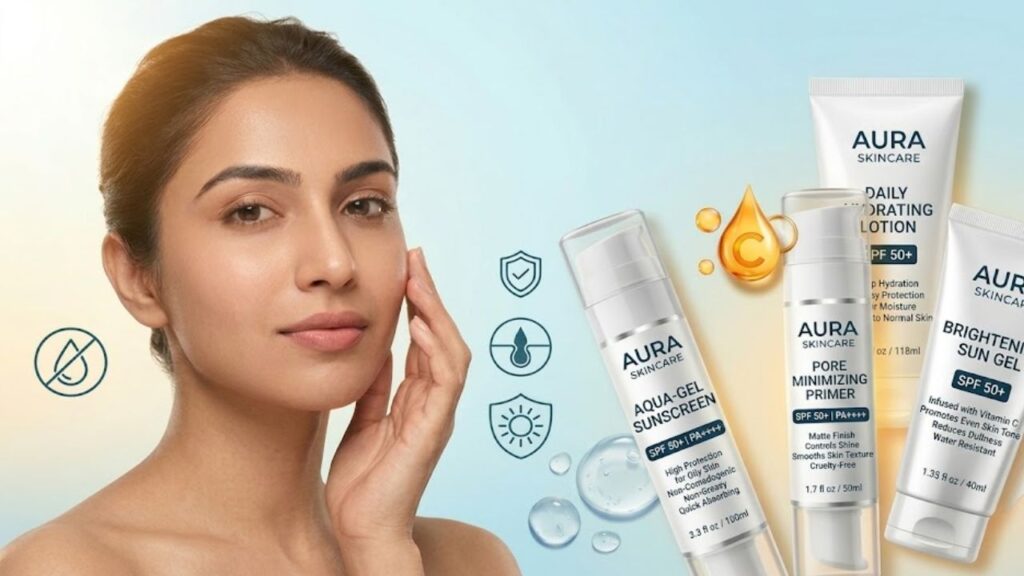
For oily complexions, dermatologists advise using non-comedogenic sunscreen UV protectors with active ingredients like hyaluronic acid or niacinamide. While the broad-spectrum SPF 50 guards against UVA-induced hyperpigmentation and acne-related post-inflammatory skin discoloration, these medical-grade formulas actively suppress excess sebum production and hydrate the barrier.
 How to Create a Luxurious Home Spa Bath Retreat That Instantly Melts Stress and Revives Tired Skin
The Science of UV Radiation and Sebum
During the country’s hotter and more humid months, users with naturally oily skin may encounter a very particular dermatological challenge. The heat from the surroundings causes the sebaceous glands to go into overdrive, producing more oil and sweat. It becomes worse when you apply a heavy sunblock as its thick texture mixes directly with your excess sebum and clogs the skin pores, thus causing acne.

Microcomedones, which eventually flare up into excruciating active acne, are directly caused by this microscopic obstruction. Additionally, the melanin in the skin cells darkens and leaves behind dark spots when these new lesions are exposed to intense UVA rays. Therefore, a crucial, medical-grade step in preventing long-term acne scarring is switching to active-infused SPF 50 sunscreens for oily skin during the summer.
Why Are Medical-Grade Actives Important in SPF?
Advanced water-light fluid suspensions are found in advanced clinical protectors. The carrier fluid quickly evaporates when applied to the face, leaving behind a microscopic, highly substantial mesh of photostable UV filters.
By adding exact percentages of active ingredients to these formulas, The Derma Co. goes one step further. By directly incorporating 1% Hyaluronic Acid or 2% Niacinamide into the UV shield, the product serves two purposes: it actively reduces enlarged pores and controls oil production throughout the day, while blocking 98% of UVB radiation.
Your Skincare Regimen Approved by a Dermatologist
When active ingredients are properly layered, they can deeply penetrate the epidermis without causing pilling, which occurs when products roll up into tiny balls on the skin’s surface.
Start your clinical morning routine by using a face wash to clear clogged pores. Use a balancing face toner to strengthen your skin’s moisture barrier. After that, use a targeted face serum to actively treat enlarged pores and control internal midday oil spikes.
You can avoid overhydration and needless heaviness by skipping your morning face moisturizer if your complexion is overly oily in the heat. Instead, to lock in the treatment and totally block the sun, apply two finger-lengths of your preferred SPF 50 summer sunscreen for oily skin.

| Product Name in the Derma Co Clinical Comparison Table | The active component | Dermatological Goal | Texture and Finish |
|---|---|---|---|
| Aqua Gel with 1% Hyaluronic | Acid Hyaluronic | Extensive Hydration | Water-Light Gel |
| Radiance of C-Cinamide | Niacinamide plus vitamin C | Correction of Pigmentation | Dry-Touch Radiance |
| Gel with 2% Niacinamide | Niacinamide at 2% | Regulation of Sebum | Extremely Matte |
| Sunscreen Priming | P-Refinyl | Pore Blurring | The velvety primer |
Resetting and repairing barriers at night
High-performance SPF 50 sunscreens for oily skin in the summer are very sticky and difficult to remove with a splash of water. In order to avoid pore congestion, you should follow a double-cleansing regimen every night.
Apply a ceramide-enriched face cream to repair the microtears and lipid depletion brought on by regular UV and heat exposure once your skin has been cleared of excess oil and pollutants. By fixing the barrier at night, you can prevent your skin from overcompensating by generating more oil the following day.
Conclusion: Skilled Protection for Perfect Skin
Don’t let your ongoing concern about having a greasy complexion stop you from shielding your cells from structural deterioration and early aging. You give your face the precise medical-grade actives it needs to remain clear, matte, and rigorously protected by using skilled formulations created by dermatologists. Enjoy a healthy, flawless complexion throughout the summer by selecting the best SPF 50 sunscreens for oily skin and trusting the science of active ingredients.
Disclaimer: Honasa Consumer Ltd. owns the brands The Derma Co., Mamaearth, Dr. Sheth’s, and Aqualogica. Varun Alagh and Ghazal Alagh founded them.
FAQ:
Q1: Will my oily skin break out if I have a high SPF rating?
Sun Protection Factor is referred to as SPF. It speaks about the degree of UVB protection. Comedogenic base ingredients, not UV filters, are what cause breakouts. We suggest using dermatologist-designed sunscreens from The Derma Co. if you want non-comedogenic sun protection.
Q2: If I have oily skin, can I use hyaluronic acid in the summer?
Indeed. Hydration is still necessary for oily skin. Without adding oil, hyaluronic acid, a lightweight humectant, binds water to the skin. By telling your sebaceous glands to stop overproducing grease, this balances your skin.
Q3: What is the recommended SPF level by dermatologists?
Two milligrams per square centimeter of skin is the clinical standard. This translates to the “two-finger rule” for the face and neck, which calls for applying two complete lines of the product across your index and middle fingers to guarantee that you are receiving the full SPF 50 defense.
 How to Create Easy Makeup Looks for Students That Stay Fresh Natural and Budget-Friendly All Day
Q4: Does a matte UV shield need to be reapplied during the day?
Indeed. All UV filters, regardless of brand or finish, naturally deteriorate after two to three hours in the sun. To keep your defense intact, gently blot your face to get rid of extra oil before applying a new layer of your preferred protectant.