With so many product lists and tutorials available, it can be a little intimidating to begin your makeup journey. But here’s the thing: mastering the fundamentals of makeup doesn’t require a degree in beauty. Getting the basics right is your key to confidence, whether you’re looking for a quick five-minute fresh face or want to master a polished daily look. Consider this your practical straightforward guide to makeup for beginners. We’ll walk you through every step of the process, from prepping your skin to applying the finishing touches. We’ll also share some basic makeup tips that will help you look naturally beautiful without worrying about applying makeup.
Essential Cosmetics for Novices
To be honest, you don’t have to spend a fortune or fill a drawer to begin using makeup. The secret is figuring out which products will actually improve your everyday makeup look and offer you the best value possible.
Checklist of Essential Cosmetics for Novices
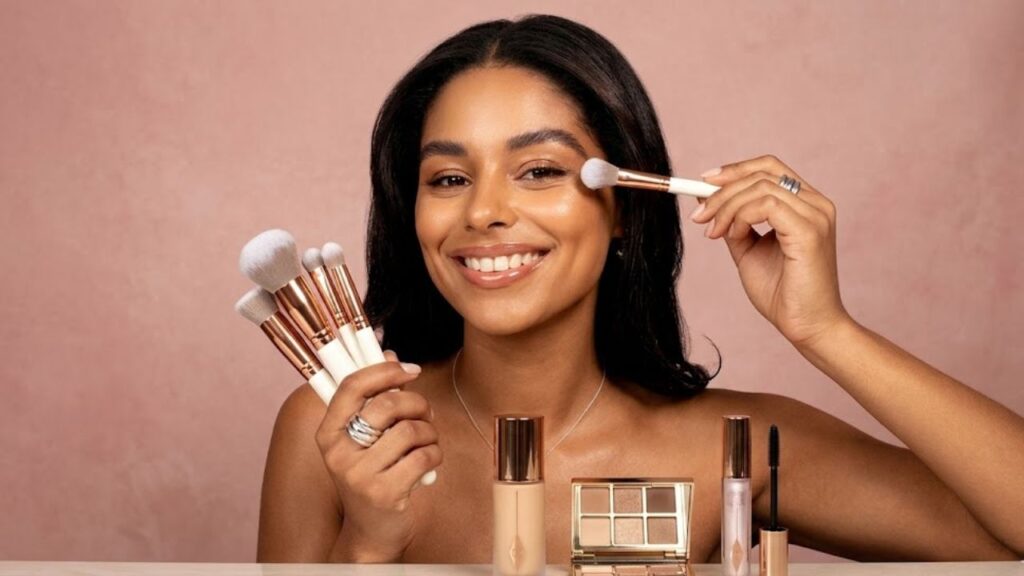
A few multitasking heroes should be part of your starter kit. Any look starts with a good foundation or BB cream, and a concealer helps get rid of those annoying dark circles and imperfections. Primer is like a smooth canvas for everything else, so don’t skip it. Start with an eyebrow pencil or powder, a dependable mascara, and a neutral eyeshadow palette (think browns, taupes, and soft pinks). For your face, use setting powder to keep everything in place, a bronzer for a subtle warmth and a blush for a healthy glowing finish.
 How to Create a Luxurious Home Spa Bath Retreat That Instantly Melts Stress and Revives Tired Skin
Recommendations for an Affordable Starter Kit
Without breaking the bank, you can definitely create a stunning natural makeup look. Seek out pharmacy brands that provide good blendability and coverage. Many less expensive options work just as well as their more expensive counterparts, particularly when you’re first starting out.

Tools That Simplify Applications
Your simple makeup routine can be made even easier with the correct tools available. While a basic brush set meets all of your blending needs, a damp beauty sponge aids in the seamless blending of foundation. Your eyes will open up instantly with an eyelash curler, and we assure you that the little expense is well worth it.
Easy At-Home Makeup Procedures: CTM Routine
Always start with clean healthy skin. A mild cleanser makes a new base and gets rid of any accumulation from previous night. Use a moisturizer appropriate for your skin type afterward to avoid your makeup appearing uneven or sticking to dry areas. If you’re going out during the day, remember to bring SPF protection. Nowadays, a lot of moisturizers have integrated sun protection, which makes remembering this step very simple.
Techniques for Primer Application
Although primer may seem like an additional step initially, it really is a game changer for novice makeup artists. It improves the texture of your skin and prolongs the wear of makeup. After your moisturizer has absorbed, apply it, paying particular attention to your T-zone and other areas where your makeup tends to fade first. Select a primer according to the requirements of your skin type: hydrating for dry skin, mattifying for oily skin, or color correcting for particular issues.
Building a Foundation for an Equitable Base
You can always increase coverage, so start with less product than you think you’ll need. Using your preferred technique apply foundation to the center of your face and blend outward evenly. A brush provides greater coverage but a moist beauty sponge provides the most natural finish. Test shades on your jawline in natural light to ensure color matching. The ideal shade should blend in seamlessly with your skin, leaving no noticeable lines.
Concealer Methods for Typical Issues
When your skin needs a little extra help, concealer is your secret weapon here. Apply in the shape of an upside down triangle beneath your eyes and blend the edges if you have dark circles present. Apply a tiny bit directly to imperfections, then gently pat to blend. Keep in mind that concealer should match your foundation exactly for covering spots, but it should be one shade lighter for under-eyes.
Establishing Your Base Cosmetics
Everything stays in place without looking cakey with a light dusting of setting powder. Pay attention to your T zone and any areas that become greasy during the day. Before applying, tap off extra powder with a fluffy makeup brush.
Simple Makeup Routine: Including Definition and Color
This is the point at which your facial makeup procedures truly start to unify your appearance. It doesn’t have to be difficult to add color and definition; a few well placed details can make all the difference.
Easy Contouring with Blush and Bronzer
For now, forget about intricate contouring maps. For subtle warmth, just apply bronzer along your jawline under cheekbones and along your hairline. Apply blush to your cheekbones and work your way up to your temples. The secret is adding color gradually; you can always add more, but it’s more difficult to remove.
Easy Eye Makeup Steps for Novices
Start by using thin hair like brushstrokes to fill in your brows. One or two neutral shades should be used for eyeshadow: a light shade for the entire lid area and a slightly deeper shade for the crease to add definition. Wiggle the mascara wand at the base of your lashes and pull it through to the tips to finish. For a natural makeup look, one or two coats are usually sufficient.
Lip Color for Daily Natural Makeup Look 30 ml Pilgrim BB Cream
Sheer lipsticks or tinted lip balms look great for everyday use. They keep your lips comfortable all day while adding a touch of color. Instead of drastically altering your lip color, pick hues that accentuate natural tone.
Expert Advice on Applying Makeup and Typical Errors
Beginners may fall victim to certain common pitfalls easily, even with the best of intentions. You can avoid these errors and get the desired polished finish by being aware of what to look out for.

An explanation of the 2-3 Rule for Makeup
To avoid overpowering your face, this straightforward guideline advises concentrating on no more than two or three features. Keep your lips neutral if you want bold eyes. Reduce the amount of eye makeup if you want a bold lip. This keeps your appearance from competing with itself and establishes balance.
Blending Methods for Smooth Outcomes
Professional-looking makeup is distinguished from amateur-looking makeup by skillful blending techniques. For foundation, use circular blending motions; for concealer, use patting blending motions; and for powder products, use sweeping brush motions. Most makeup looks go wrong when you rush the blending process too quickly, so take your time.
Applying a Spray for All-Day Use
The wear time of your makeup can be greatly increased with a few spritzes of setting spray. Mist your face evenly while holding the bottle about an arm’s length away. Don’t fan or pat your face; instead, let it dry naturally completely.
Things Novices Should Avoid
Avoid using a lot of products; when you’re learning, less really is more. To prevent that noticeable makeup line, avoid wearing makeup in dimly lit areas and remember to blend your foundation down your neck.
Fast Daily Makeup Applications: 5-Minute to Complete Routine
A complete makeup routine isn’t necessary every day, and that’s okay. No matter how hectic your morning is, you’ll always feel put together nicely if you have a few go to looks for various time constraints.
Five-Minute Routine for a Fresh Face
If time is of the essence, concentrate on using a tinted moisturizer or BB cream to balance out your skin tone evenly, followed by a swipe of mascara and tinted lip balm. In just a few minutes this gives you that your skin but better look.
Colors Queen Dream Touch Blusher & Highlighter Palette
Give yourself a little more time to fill in your brows, blush a little, and apply concealer where necessary. This looks more professional overall and is still totally doable on hectic mornings.
Developing a Complete Beginner’s Makeup Routine
You can begin adding components like eyeshadow bronzer and lip color as you become more at ease with the fundamentals. The best thing about learning these fundamental makeup techniques is that you can mix and match them according to your schedule and mood. It’s simple to try different products without committing to full sizes thanks to platforms like Smytten. You can try out new formulas and shades with trial packs from reputable brands available to see what suits your skin type and style the best.
FAQ:
What are the fundamental steps for those who are new to makeup?
Skin prep cleanse moisturize prime, base makeup foundation concealer powder, color addition blush bronzer, basic eye makeup mascara brows, and lip color are all crucial steps involved. Build from these foundational makeup principles.
What are the five steps in applying makeup?
The fundamental five steps are: 1) Get your skin ready, 2) Use base makeup (concealer or foundation), 3) Use powder to set; 4) Use mascara to define eyes; and 5) Add color to cheeks and lips. These produce a polished finished appearance.
How much time should it take to apply makeup?
Once you are comfortable with the steps, a basic routine can take five to fifteen minutes. As a novice, give yourself 20 to 30 minutes to practice and refine your technique without hurrying.
When should I swap out my cosmetics?
Powder products can last two to three years, liquid foundations should be changed every twelve to eighteen months, and mascara should be changed every three to six months. Always look for changes in performance, texture, or odor as indicators that a replacement is necessary.
 How to Create Easy Makeup Looks for Students That Stay Fresh Natural and Budget-Friendly All Day
How should I properly remove makeup?
Use your usual cleanser after using a mild makeup remover or cleansing oil. This double cleaning technique guarantees that all makeup is eliminated without using a harsh scrub that could cause skin irritation.