As a marathon runner and fitness editor, I can tell you that sit-ups are not the best way to strengthen your core. As a mom, I know this for sure because it took me months to get my midsection back in shape after having my son, and I did it without doing any sit-ups.
Deep Core Strength Matters
If you don’t have great genes and a low body fat percentage, forget about having a six-pack. I’m talking about the deep core strength that keeps your spine safe and acts like a corset for your body when you lift jump and run. The exercise that works best for me is The simple deadbug is what I do to work out, and below I share my exact deadbug workout to help you do the same.
Important Safety Advice
If you’re a complete beginner recovering from an injury, pregnant, or just had a baby, it’s always best to talk to a qualified professional before trying anything new.

Benefits of Deadbug Exercise
The deadbug is one of the best exercises for your abs because it teaches your core how to keep your spine stable while your arms and legs are moving. You will be working out your pelvic floor and your deep core muscles, which are called the transverse abdominis. These muscles go around your pelvic floor and internal organs. They make deadbugs a must for most women who have just had a baby or anyone who has pelvic instability.
Another great thing is that you’re working your abs without putting any stress on your spine, which is not the case with sit-ups, planks, or crunches. When you do this exercise, you’ll be lying on your back in a tabletop position which means you’ll naturally be pushing your lower back into the floor for support.
 Core Strength After 55: 5 Beginner Exercises That Build Stability Faster Than Traditional Planks
If your lower back starts to come off the mat at any point during the exercise, it means you aren’t properly engaging your core, so you should stop and start over.
Deadbug Workout Routine
Are you ready to begin? After I gave birth to my son, I saw a postnatal physiotherapist She gave me the deadbug workout to help me get back into running and weightlifting. If you are postpartum, it’s important to get personalised advice as we said above. I did three sets of 20 reps of each of the following three deadbug variations, and I still do this simple workout a year later.
 ’90s Bob Gets a Modern Update for Spring as Stylists Refresh the Classic Cut With Softer Movement
Standard Deadbug
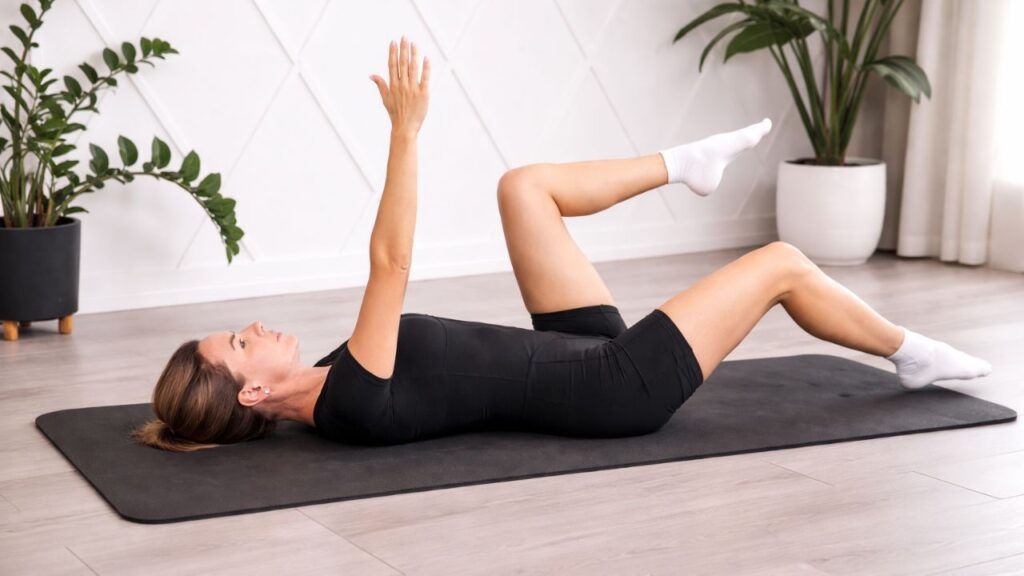
- When you lie down, put your arms and legs in a tabletop position. This means that your arms should be reaching up to the ceiling, with a straight line from your hands to your shoulders, and your legs should be bent at 90 degrees with your knees stacked on top of your hips.
- Tighten your core and pelvic floor muscles. Imagine that you are trying to zip up and in, like you are trying to fit into a pair of jeans that are too small.
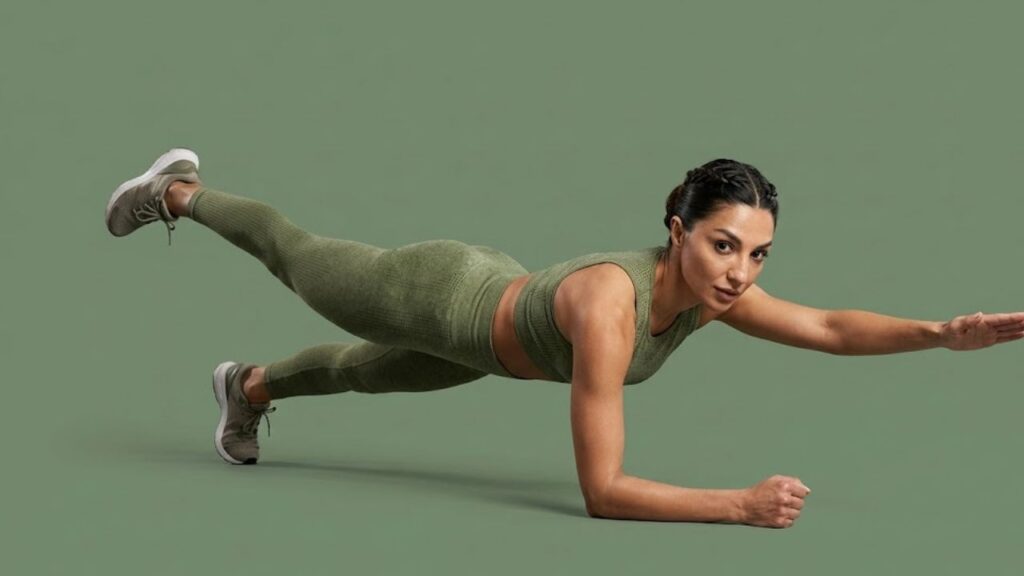
- Slowly and with control, reach one leg out away from your body and straighten it as you lower it toward the floor. Don’t let it touch; stop a few inches above the mat. At the same time, stretch your other arm out away from your body.
- Stop here, then bring both back to where they started and do the same thing on the other side.
Deadbug with Pilates Ball
- You’ll need a Pilates ball for this exercise.
- Put the Pilates ball against the thigh of one leg while you are in your tabletop position. Push the ball against your leg with the other arm.
- Finish your deadbug reps by slowly extending your leg without the ball against it and your arm not holding the ball away from your body, with full control movement.
- As you finish your reps, keep the tension on the ball. This will make your core work harder to hold it.
- Do all of your reps on one side before switching the ball to the other leg and starting over.
Weighted Deadbug
- You will need a set of light plates or adjustable dumbbells or ankle weights for this exercise.
- While you do your dead bugs, hold a light weight (2 to 5 pounds) in each hand. Again, the extra weight is making your core work harder to keep your body stable.
Key Technique Tips
The most important thing to remember when doing any of the exercises above is to move slowly and with full control always. If you rush the move, it will be easier. Breathing is also important in Pilates. As you stretch your arm and leg, breathe out through your lips. As you bring your limbs back to the starting position, breathe in through your nose. Make sure your lower back stays on the mat the whole time you do the exercise.