
As a fitness editor and marathon runner, I can confidently say that sit-ups are not the most effective way to build a strong and stable core. From personal experience as a mom, rebuilding my core after childbirth took months—and not once did I rely on sit-ups to get there.
Instead of chasing visible six-pack abs, the real focus should be on developing deep core strength. These deeper muscles support your spine, improve posture, and act like a natural corset for your body during everyday movements like lifting, running, or even bending. The exercise that stood out the most for me is the deadbug, a simple yet powerful movement that delivers real results.
Before starting any workout, especially if you’re a beginner, recovering from injury, or postpartum, it’s important to consult a qualified professional for personalized guidance.

Why the Deadbug Exercise Works So Well
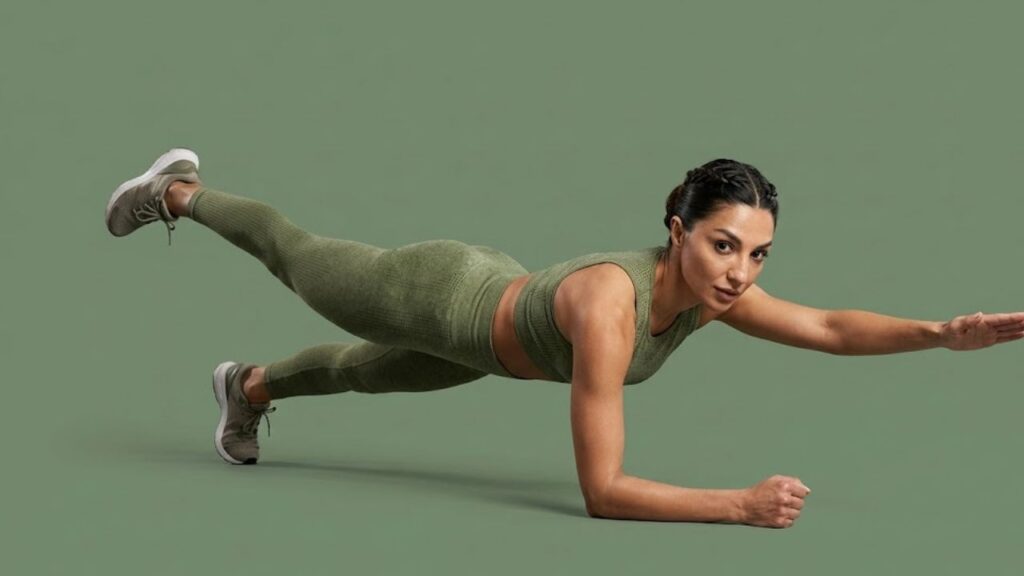
The deadbug is highly effective because it trains your core to stabilize your spine while your arms and legs are in motion. This is essential for functional strength and injury prevention.
This exercise primarily targets the transverse abdominis—the deep core muscle—as well as the pelvic floor. These muscles play a key role in supporting your internal organs and maintaining core stability, making the deadbug especially beneficial for postpartum recovery and those dealing with pelvic instability.
Another major advantage is that the deadbug places minimal stress on your spine. Unlike sit-ups or crunches, which can strain your lower back, this exercise is performed lying down, naturally encouraging your lower back to stay pressed against the floor.
If you notice your lower back lifting off the mat during the movement, it’s a sign that your core is not properly engaged. In that case, pause, reset, and focus on maintaining correct form.
The Deadbug Workout Routine
After consulting a postnatal physiotherapist, I followed a structured deadbug routine to rebuild my strength and return to running and weight training. Over time, I progressed to performing three sets of 20 repetitions for each variation. Even now, I continue to use this routine regularly.
Standard Deadbug
Start by lying flat on your back. Raise your arms straight up toward the ceiling and position your legs in a tabletop stance, with knees bent at 90 degrees and aligned with your hips.
Engage your core and pelvic floor by tightening your midsection, as if gently pulling everything inward.
Slowly extend one leg outward, lowering it toward the floor without letting it touch. At the same time, extend the opposite arm overhead. Pause briefly, then return to the starting position and repeat on the other side. Perform three sets of 20 repetitions.
Pilates Ball Deadbug
For this variation, you’ll need a small Pilates ball.
 Core Strength After 55: 5 Beginner Exercises That Build Stability Faster Than Traditional Planks
Begin in the tabletop position and place the ball against one thigh. Press the ball with the opposite hand to create resistance.
Extend the leg that is not holding the ball while simultaneously moving the free arm overhead. Keep steady pressure on the ball throughout the movement to increase core activation.
Complete all repetitions on one side before switching the ball to the opposite leg. Perform three sets of 20 repetitions per side.
Weighted Deadbug
This variation adds resistance to further challenge your core.
Hold light weights in each hand, typically between 2 to 5 pounds. Maintain the same deadbug movement pattern, extending opposite arm and leg while keeping your core engaged.
The added weight forces your body to work harder to stay stable, increasing the effectiveness of the exercise. Complete three sets of 20 repetitions.
Key Tips for Maximum Results
Move slowly and with full control—speed reduces effectiveness and increases the risk of poor form.
Focus on breathing: exhale through pursed lips as you extend your arm and leg, and inhale through your nose as you return to the starting position.
Keep your lower back firmly pressed into the mat throughout the exercise to ensure proper core engagement.
 ’90s Bob Gets a Modern Update for Spring as Stylists Refresh the Classic Cut With Softer Movement
By consistently practicing these variations, you can build a stronger, more stable core without relying on traditional sit-ups.