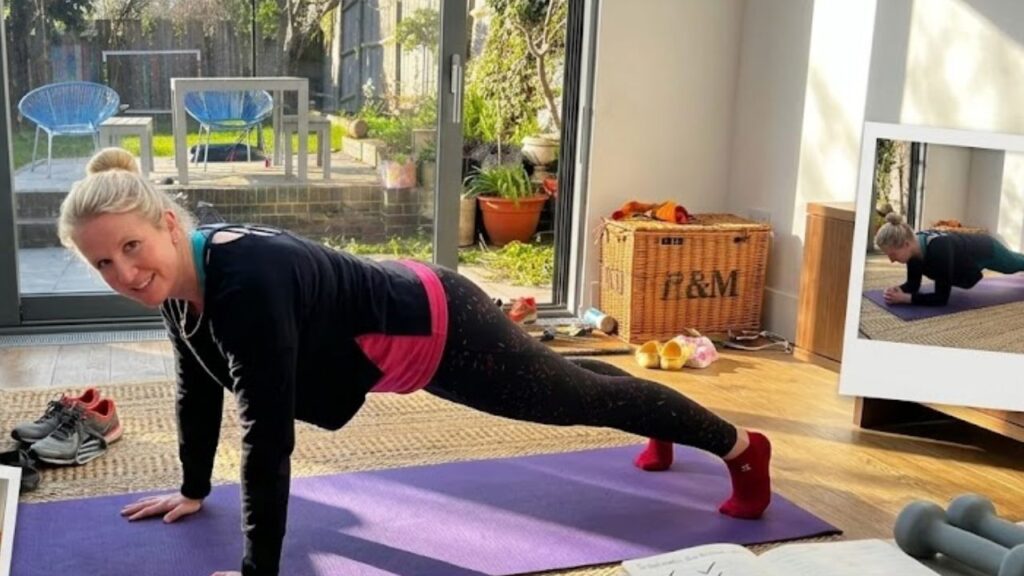
Doing 10 minutes daily of Pilates for two weeks can make a surprisingly noticeable difference in the way your body feels and moves. What seems like a short routine often becomes a powerful habit because Pilates targets the muscles that support your spine, stabilize your pelvis, and improve overall control. Instead of chasing exhaustion, this approach focuses on slow controlled movement, breathing, and alignment. After just 14 days, many people report better balance, a stronger midsection feel, and a more upright stance during daily activities. The biggest reason this works is consistency. When you repeat simple precise exercises every day, your body learns how to engage the deep core more efficiently and maintain better posture without constant effort.
Why a Short Pilates Routine Can Transform Core Strength
Pilates is especially effective because it trains more than visible abdominal muscles. It teaches the body to activate the deep stabilizers that protect the lower back and help every movement feel smoother. In a 10-minute session, exercises like leg lifts, toe taps, glute bridges, and dead bugs can create a deep abdominal connection without placing too much stress on the joints. Over two weeks, those repeated efforts build awareness, endurance, and control. Instead of using momentum, Pilates emphasizes steady mindful engagement, which helps the core work the way it was designed to. This is why even short sessions often feel challenging in a productive way. The goal is not intensity alone, but better muscle coordination and a body that feels stronger during sitting, standing, walking, and lifting.
How Daily Pilates Improves Posture and Body Alignment
Posture improves when the muscles around the spine, shoulders, and hips begin supporting the body properly. Many people spend hours sitting, looking down at screens, or standing with poor alignment, which places extra pressure on the neck and back. Daily Pilates helps reverse that pattern by encouraging neutral spine awareness, opening the chest, and strengthening the muscles that keep the shoulders from rolling forward. Over two weeks, you may notice that you sit taller, stand with less slouching, and move with more natural balance. Small exercises that focus on pelvic position and rib control can also reduce the tendency to arch the lower back. With regular practice, your body starts to remember healthier standing patterns, and better posture begins to feel less forced and more automatic throughout the day.

Best Pilates Moves to Do in 10 Minutes Each Day
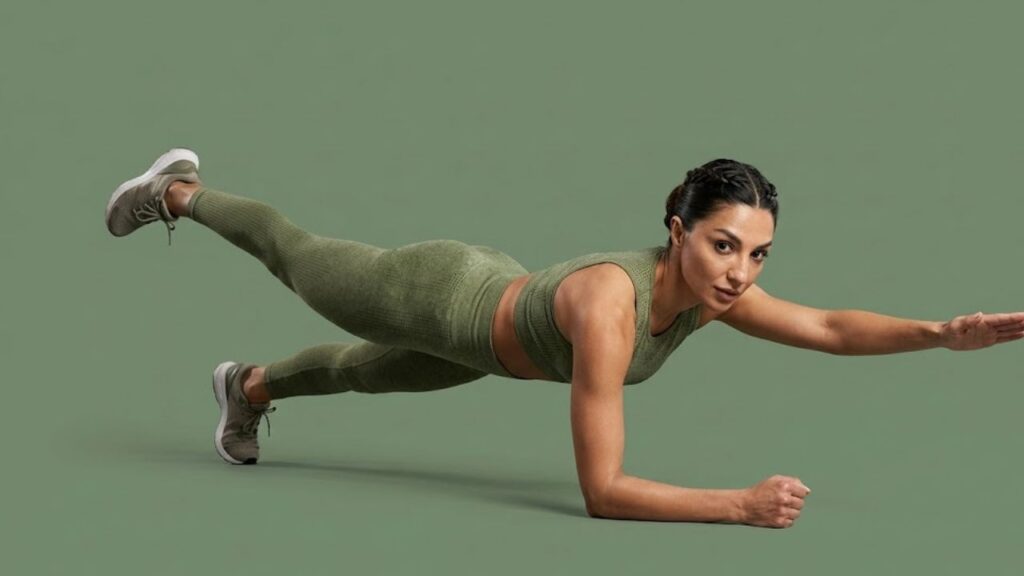
A short Pilates session works best when it includes movements that challenge the full core while supporting posture. A balanced routine can include breathing drills, pelvic tilts, toe taps, bird dogs, glute bridges, and side-lying leg work. These exercises teach the body to move with core first control rather than letting the back or neck take over. You do not need fancy equipment or a long workout to feel results. What matters more is maintaining clean movement quality and paying attention to alignment from start to finish. Even one round of carefully selected movements can wake up muscles that stay inactive during long hours of sitting. When repeated daily, these exercises create full body stability and make basic tasks like bending, reaching, and climbing stairs feel easier and more supported.

| Exercise | Main Focus | Time | Benefit |
|---|---|---|---|
| Pelvic Tilt | Core activation | 1 minute | Improves spinal control |
| Toe Taps | Lower abs | 2 minutes | Builds deep stability |
| Glute Bridge | Hips and core | 2 minutes | Supports pelvic alignment |
| Bird Dog | Balance and posture | 2 minutes | Strengthens back support |
| Side Leg Lift | Obliques and hips | 1 minute | Improves body control |
| Chest Opener Stretch | Upper posture | 2 minutes | Reduces shoulder tightness |
What Changes You May Notice After Two Weeks
Two weeks is not enough time to completely transform your body, but it is enough to feel meaningful progress. One of the first changes people notice is that their core feels more engaged during everyday movement. Tasks like getting out of bed, standing for longer periods, or carrying groceries can feel easier because the body is working with better internal support. Many also experience less stiffness through the hips and lower back, especially if their Pilates sessions include stretching and spinal mobility work. Another common result is improved body awareness. You begin catching yourself when you slouch and correcting it more naturally. These small wins matter because they build momentum. Over time, daily movement consistency can lead to stronger posture habits, reduced discomfort, and a more confident posture that shows up beyond the workout itself.
 Core Strength After 55: 5 Beginner Exercises That Build Stability Faster Than Traditional Planks
Common Mistakes That Can Limit Pilates Results
Even a short routine can lose effectiveness if the basics are ignored. One of the most common mistakes is rushing through exercises without control. Pilates is not about speed, and moving too fast often shifts the effort away from the core. Another issue is holding your breath, which can interfere with proper core engagement and make the body tense. Poor neck positioning is also common, especially during ab work, and that can create discomfort instead of strength. It also helps to avoid comparing your routine to long, intense workouts. The value of Pilates comes from precision over repetition and alignment over force. When you slow down, breathe fully, and focus on quality, even a 10-minute practice becomes effective. Consistent attention to small technical details often makes the biggest difference in how quickly results appear.
 ’90s Bob Gets a Modern Update for Spring as Stylists Refresh the Classic Cut With Softer Movement
Is 10 Minutes of Pilates a Sustainable Daily Habit
For most people, 10 minutes of Pilates is one of the easiest fitness habits to maintain because it feels manageable and realistic. A routine does not need to be long to be valuable. In fact, shorter sessions are often easier to repeat, and that repetition is what helps build both strength and posture over time. When Pilates becomes part of a morning reset or evening wind-down, it starts fitting naturally into daily life. That makes it more sustainable than complicated plans that demand too much energy or time. The beauty of this method is that it supports gradual progress through simple daily practice, not pressure. Over two weeks, the benefits can be encouraging enough to continue, and over months, those same short focused sessions can contribute to lasting strength, improved alignment, and a healthier movement pattern for the whole body.