Have you ever wondered why your hair feels different from your friend’s hair, even though you both use the same products? It might help to know what fine hair is like to find the answer. Fine hair isn’t just hair that is thinner; it’s also about the shape and size of each strand. The first step to giving your hair the care it needs is to learn about its unique characteristics. For example, if your hair falls flat by noon, gets oily too quickly, or has trouble holding volume, you need to know what they are. Let’s look at what makes fine hair work and how you can use its natural properties instead of fighting them.
What Are the Traits of Fine Hair?
The name “fine hair” comes from the fact that each strand is very thin, not from the amount of hair on your head. It’s like comparing thread to rope: they both do their jobs, but they are made differently. Fine hair has strands that are usually less than 62 micrometers in diameter, which gives them a soft, silky texture that feels almost weightless when you touch them. thin hair strands
What makes fine hair different is:

- narrow hair shaft Each strand is thinner than medium or coarse hair types because the hair shaft is narrow.
- smooth cuticle layer Smooth cuticle layer: This gives hair that silky feel, but it also means that styling products don’t stick to it as well.
- delicate hair structure Delicate structure: More likely to break or get damaged by heat or rough handling
- genetic hair factor Genetic factor: Most of the time, you get it from your parents, which means that your hair texture is set before you are born.
It’s important to know that fine hair and thin hair are not the same thing. Fine hair can be thick (with a lot of individual strands) or thin (with not a lot of strands). In the same way, a person with thick individual strands might have fewer of them overall, which would make their hair look thin. It’s important to know this difference in order to choose the right hair care for fine hair. fine vs thin difference

Easy Ways to Find Out If Your Hair Is Fine
Are you not sure if your hair is fine? You don’t need to see a professional to find out what your hair is like. These easy tests you can do at home can help. Each test looks at a different part of how fine hair behaves and how it is made up. simple hair tests
The Test of Touch
Hold a single strand of clean, dry hair between your thumb and forefinger. It will feel like touching silk thread when you touch fine hair. You probably have fine hair if you can barely feel the strand or it seems to disappear between your fingers. touch strand test
The Scalp Visibility Test
Let your hair fall naturally and look at your scalp in bright light. If you have fine hair, you might be able to see your scalp better through the strands, especially when your hair is wet or styled in certain ways. This doesn’t mean you have less hair; it just means that each strand covers less area. scalp visibility check
The Test for Ponytails
Use a regular elastic band to tie your hair back into a ponytail. If the circumference feels smaller than a 10-pence coin, your hair is probably fine. This test gives you a better idea by looking at both the thickness of the strands and the overall density. ponytail thickness test
The Test for Water
Put a clean strand of hair in a glass of water. Fine hair usually sinks slowly or floats for a short time before sinking because it doesn’t have as much cuticle layer to create resistance. Because it is thicker, coarser hair tends to float for longer. water strand test
Common Problems with Fine Hair and Why They Happen
If you know why fine hair acts the way it does, you can work with its natural tendencies instead of against them. Most problems with fine hair come from the same structural features that give it its soft, silky feel. fine hair problems
Not enough volume
Fine hair naturally lays flatter against the scalp because each strand is less full and structured. Because the cuticle layer is smooth, strands slide past each other easily. This makes it harder to lift the roots and keep them lifted. To add volume to fine hair, you need to use certain techniques and products that are made for lightweight lift. lack of volume
Problems with Oiliness
Natural oils from your scalp move down fine hair strands much faster than they do on coarser hair. The smooth surface makes it easier for your hair to get greasy, so it can look greasy just a day or two after you wash it. This is totally normal and doesn’t mean you’re making more oil than other people. fast oil buildup
Vulnerability to Damage
Fine hair is more likely to get damaged by heat, chemicals, and even rough handling because it is so delicate. Because the cuticle layer is thinner on each strand, damage can happen faster and be more noticeable than on thicker hair types. hair damage risk
Problems with styling
Heavy products that work great on coarse hair can make fine hair look limp and lifeless. This is why you need to use a different method for styling fine hair, one that focuses on lightweight products and smart application methods. styling challenges fine hair
Different Types of Fine Hair You Should Know
Not all fine hair is the same. Knowing the texture of your fine hair will help you choose the best products and ways to style it for your hair type. fine hair types
Fine, straight hair
This combination tends to show oil and a lack of volume the most. The straight pattern means that oils move down the shaft quickly and there isn’t much natural texture to give it body. For this kind of hair, dry shampoo between washes and products that lift the roots are good ideas. straight fine hair
Wavy Hair
The natural wave pattern can make hair look fuller, but fine wavy hair often has trouble with frizz and keeping the curls defined. The most important thing is to find products that make waves look better without making them heavier. wavy fine hair
Curly Hair
Fine curly hair may be the hardest type to deal with because it needs moisture to keep its curl pattern, but heavy creams can easily make it feel heavy. Gel-based products and careful scrunching work well for this type of hair. curly fine hair
Fine hair that is thick vs. fine hair that is sparse
You can have a lot of fine strands (dense) or not very many fine strands (sparse). Dense fine hair may feel fuller, but it can still be oily and hard to style. Sparse fine hair is more about making hair look thicker and fuller. dense vs sparse
 Core Strength After 55: 5 Beginner Exercises That Build Stability Faster Than Traditional Planks
Products and methods for taking care of fine hair that are necessary
If you take care of your fine hair the right way, it can look and feel very different. It’s all about picking products that work with your hair’s natural texture instead of damaging it. fine hair care
When choosing the best shampoo for fine hair, look for volumizing or clarifying formulas that don’t leave any residue behind. Don’t use anything that says “moisturizing” or “heavy-duty repair” unless your hair is really damaged. These formulas often have things in them that can make fine strands feel heavy. best shampoo selection
Things to Embrace
- lightweight volumizing shampoos Lightweight volumizing shampoos: Clean without taking away, add body without adding weight
- dry shampoo benefits Dry shampoos: Add texture and make the time between washes longer.
- root lifting sprays Root-lifting sprays: Give you lift where you need it most.
- texturizing spray hold Texturizing sprays: Give your hair more grip and hold for styling.
Things to Stay Away From
- heavy oils serums Heavy oils and serums can make fine hair look greasy and flat.
- leave in conditioners Heavy leave-in conditioners: They can be too heavy for fine hair.
- excess protein treatments Treatments with a lot of protein can make fine hair feel stiff and breakable.
It often takes a lot of trial and error to find the right products for fine hair. This is where platforms like Smytten come in handy: you can try out small versions of different hair care products before buying full sizes. You can look through more than 1,500 trusted brands, including specialized haircare lines, to find what works best for your fine hair without having to worry about buying products that might make your hair heavy. trial product platform
Haircuts and styles for fine hair that add volume
If you cut and style fine hair the right way, it can look fuller and more voluminous. It’s about making your hair look thicker while working with how it naturally falls. volume haircuts tips
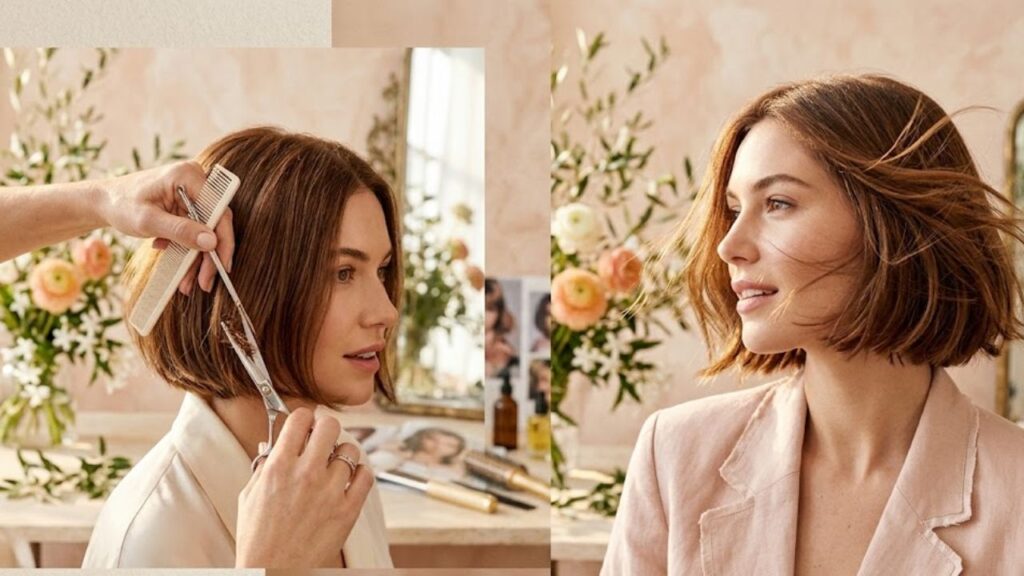
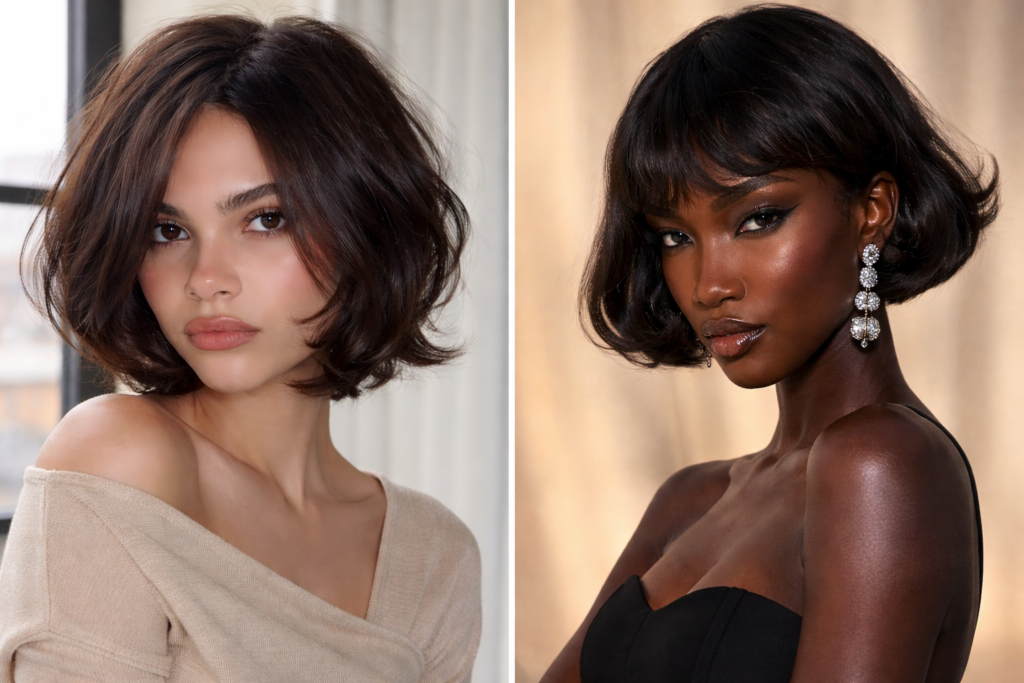
When cutting fine hair, it’s best to think about how to layer it and how long it should be. Blunt cuts can make fine hair look thicker, and subtle layers can add movement without taking away too much density. Bobs and lobs (long bobs) are often great because they make hair look fuller and are easy to style every day. best haircut styles
Ways to Style Hair for Volume
- blow dry upside Blow-dry your hair upside down: This will naturally lift the roots.
- round brush lift Use round brushes to lift sections while they dry for more body.
- cool shot finish Cool shot finish: gives it style and makes it last longer
- gentle root teasing Strategic teasing: Backcombing the roots gently to add height
How to Make Fine Hair Look Thicker
You can’t really change the structure of your hair, but there are a few ways to make it look thicker: make hair thicker
- texturizing products grip Texturizing products: Give strands more grip and space between them.
- strategic highlighting depth Strategic highlighting: Adds depth and dimension
- proper sectioning method Proper sectioning: Makes sure that the product is evenly spread out
Regular trims keep the ends from getting thin and wispy, which makes hair look sparse. regular trim importance
Keep in mind that getting thin hair volume is more about sticking to a routine than doing treatments once in a while. The most important thing is to find methods that you can realistically use as part of your daily or weekly hair care routine. consistent hair routine
Questions that are often asked
Is fine hair always thin?
Not always. Fine means the diameter of each strand, and thin means the overall density of hair on your head. You can have fine hair that is very dense, which makes it look like thick hair, or coarse hair that is sparse, which makes it look thin. fine vs thin
Is it possible for fine hair to get thicker over time?
Your genes decide how thick your hair strands are, and that doesn’t change. But if you take care of your hair properly, you can keep it from breaking and getting damaged, which will make it look fuller and healthier. Some treatments and products can also make your hair look thicker. hair thickness myth
Why does my thin hair get greasy so fast?
Fine hair has a smooth cuticle layer that lets natural oils move down the hair shaft faster than on hair that is coarser. This means that oils from your scalp get to the ends of your hair faster, which makes it look greasy faster. greasy hair reason
What is the difference between women’s and men’s fine hair?
The basic traits of fine hair are the same for both men and women. Men’s fine hair, on the other hand, may look different because it is shorter, uses different styling products, and hormones can change the density of hair over time. men vs women hair
Is it possible to have both fine and thick hair?
Yes, this means that each strand is thin, but the overall density is high. This mix can actually be pretty easy to handle because you get the fullness without the heaviness that comes with coarse, thick hair. fine thick combination
What are the worst styling mistakes for fine hair?
Using too much product, applying heat without protection, drying your hair with a rough towel, and using brushes or combs that are too harsh are some of the worst things you can do. When caring for and styling fine hair, you need to be more careful in every way. styling mistakes fine
Important Points
To make a good hair care routine that works with your hair’s natural properties, you need to know what fine hair is like. Fine hair isn’t a problem; it’s just a different type of hair that needs special care to look its best. Every part of taking care of fine hair is about making it look better, not fighting it. This includes picking the right products and learning how to style it. hair care understanding
 ’90s Bob Gets a Modern Update for Spring as Stylists Refresh the Classic Cut With Softer Movement
You don’t have to make costly mistakes or fill your cabinets with products that don’t work to find the right hair care routine for you. With Smytten’s trial platform, you can try out mini-sized products from well-known brands to find out what works best for your fine hair. You can try up to 8 minis for just ₹249 and get your money back on purchases. This way, you can try out different formulas and find the one that works best for you without having to commit. Why settle for products that weigh down your fine hair when you can find lightweight formulas that help it grow? smart product testing