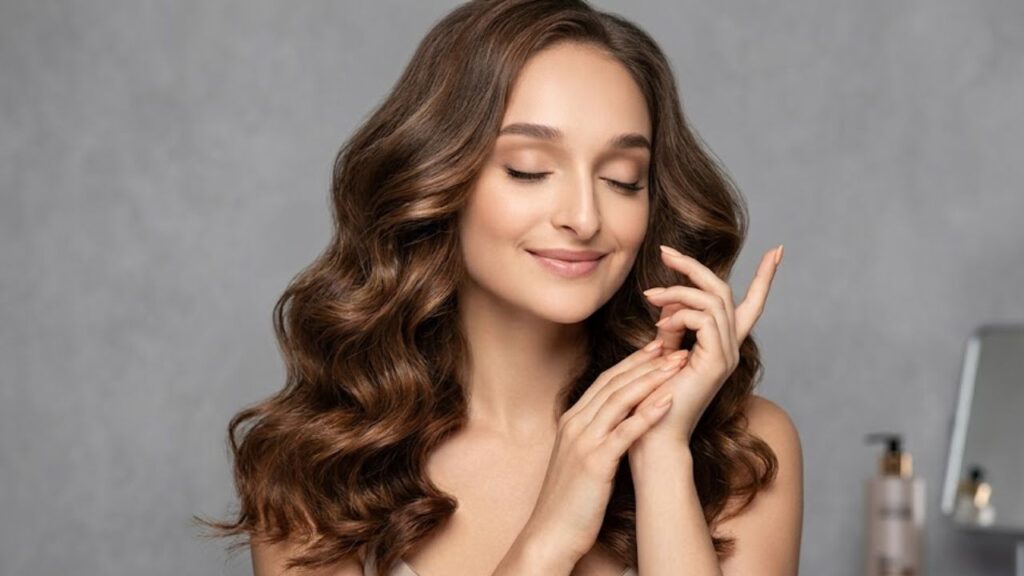
To be honest, having wavy hair can seem like a mystery wrapped in another mystery. Your waves may appear stunning one day, but they may be acting erratically the next. You’re in the right place if you’ve been having trouble figuring out the best wavy hair tips that actually work. Your natural texture should be highlighted, and you can turn those erratic waves into your signature style with the correct wavy hair routine. We have the insider knowledge to help you accept and improve what you have naturally, whether you’re struggling with frizz, flatness, or simply can’t seem to get consistent results.
Recognizing the Type and Texture of Your Naturally Wavy Hair
Knowing what kind of waves you’re dealing with is essential before diving into products and techniques. There is no one-size-fits-all solution for natural wavy hair, and understanding your unique wave pattern will fundamentally alter how you style and take care of it. There are three primary types of wavy hair: 2A, 2B, and 2C. Type 2A waves are delicate and loose, frequently resembling a soft bend rather than distinct waves. These are usually fine, but heavy items can easily cause them to collapse. Type 2B waves typically begin at the mid-length and are more distinct, with a faint spiral pattern. Stronger spirals that may verge on curly territory characterize type 2C waves, which are the most distinct. Your hair’s porosity level has a significant impact on how it reacts to products and styling, even beyond wave pattern. While high porosity hair absorbs products quickly but loses moisture equally quickly, low porosity hair initially repels moisture but retains it once absorbed. Knowing these features enables you to select the best tools and methods for your particular requirements. Inconsistent curl patterns, where some sections wave beautifully while others remain stubbornly straight, are a common problem with wavy hair. Another significant issue is frizz, particularly in humid environments. Because the weight of longer hair can pull down the natural texture, many people with waves also experience flatness at the roots.
The Crucial Wavy Hair Routine: The Basis for Achievement
The first step in a good wavy hair routine is realizing that waves require consistent moisture and gentle handling. Wavy hair is in a sweet spot that needs gentle yet nourishing care, in contrast to straight hair, which can tolerate rougher treatment, or tight curls, which require thick creams.

Preparing and Detangling for the Pre-Wash
One of the most important rules for preserving your natural pattern is to never brush wavy hair when it’s dry. Rather, detangle only when your hair is drenched in conditioner. Gently work through knots with your fingers or a wide-tooth comb beginning at the ends and working your way up. Wavy hair that is prone to dryness or damage can benefit greatly from pre-poo treatments before shampooing. Before shampooing, apply a light oil, such as jojoba or argan, to the ends and midlengths. This adds more moisture and forms a barrier of defense without making your waves heavier.

The Ideal Way to Wash Wavy Hair
When it comes to caring for wavy hair, sulphate-free shampoos are your best friend. The natural oils that your waves sorely need are not stripped away by these softer cleaning solutions. As you rinse, let the suds clean the rest of your body while concentrating the shampoo on your scalp rather than your hair. For wavy hair, the squish-to-condish technique is revolutionary. After generously applying conditioner from mid-length to ends, cup sections of hair in your palms and gently squeeze them upward. This method promotes wave formation while assisting your hair in absorbing moisture. Washing your hair two to three times a week is beneficial for most types of wavy hair. While underwashing could result in buildup that weighs down your waves, overwashing can cause dryness and frizz.
Preparation and Post-Wash Care
The terry cloth towel is the enemy of smooth waves, so get rid of it right away. Instead, gently squeeze out extra water using a cotton t-shirt or microfibre towel. Frizz is avoided and friction is decreased by the smoother surface of these materials. Plopping is a technique where you create a turban-like shape by wrapping your wet hair in a microfibre towel or t-shirt. By eliminating extra water without changing the curl pattern, this technique aids in the formation of waves. Before using styling products, leave your hair plopped for ten to twenty minutes.
Essential Product Types
In order to keep moisture in between washes, leave-in conditioners are crucial. Seek out formulas that are lightweight and leave no residue. Choose curl creams made especially for wavy hair instead of curly; they are usually lighter in consistency and help define waves while supplying moisture. Hold and definition are provided by gels and mousses. Mousses add volume and lighter hold, while gels are good for stronger hold and definition. Finding the ideal amount is crucial; if you use too little, your waves won’t hold, and if you use too much, they will appear crunchy or heavy. For day-two hair, refreshing sprays are invaluable. To revitalize waves without completely washing, combine water and a tiny bit of leave-in conditioner in a spray bottle.
Ingredients to Look for vs. Avoid
Aloe vera, glycerin, and hyaluronic acid are examples of hydrating ingredients that help retain moisture without feeling heavy. Waves can be strengthened by proteins like keratin or silk amino acids, but use them sparingly because too much protein can stiffen hair. Steer clear of silicones, thick butters, and heavy oils that can make waves heavier. Frizz can result from the removal of natural oils by sulphates and drying alcohols. For fine, wavy hair, heavy conditioning agents may provide too much moisture.
Methods of Product Application
In order to distribute products evenly without upsetting the wave pattern, the praying hands method entails smoothing products down the hair shaft with palms pressed together. To promote the formation of curls, gently scrunch after this. Products should be layered from thinnest to thickest in order of thickness. Leave-in conditioner comes first, followed by curl cream and gel or mousse. For optimal results, apply each layer to soaking wet hair.
Advanced Wavy Hairstyles for Optimal Definition
It takes practice to become an expert at wavy hair styling techniques, but once you figure out what works for your hair type, you’ll question how you ever got by without them.
Diffusing vs. Air Drying Techniques
For looser wave patterns, air drying is the most gentle method. Scrunch your hair occasionally while it air dries to accentuate waves, and don’t touch it too much to avoid frizz. Diffusing can increase volume and expedite drying. In the pixie diffusing technique, sections of hair are gently cupped and lifted toward the scalp using a diffuser set to low heat and speed. To avoid frizz and expedite the drying process, hover diffusing entails keeping the diffuser just a little bit away from your hair.
Techniques for Scrunching and Enhancing Waves
Wave formation is aided by wet scrunching with products. Work your way from ends to roots by cupping sections of hair in your palms and gently squeezing them upward. This method enhances your natural pattern while aiding in product distribution. You may notice a crunchy gel cast when your hair is completely dry. To break this cast and reveal soft defined waves, gently scrunch your hair with dry hands or a little oil. A section of hair is gently stretched and then released to spring back using the accordion method technique. This method can improve the formation of waves and produce more consistent patterns.
 Core Strength After 55: 5 Beginner Exercises That Build Stability Faster Than Traditional Planks
Techniques for Overnight Protection and Refreshing
Pillowcases made of silk or satin lessen friction while you sleep, preserving your wave pattern throughout the night. If you don’t have these, consider wearing a satin bonnet or a silk scarf over your hair. Before going to bed, medusa clipping entails loosely cutting portions of your hair on top of your head. This keeps your waves from being flattened while you sleep due to the weight of your hair. Additionally, loose braids can preserve texture without producing undesirable kinks. Use a water and leave-in conditioner mixture to lightly mist your hair in the morning, then gently scrunch it to revive your waves.
Naturally Reducing Frizz
When hair is dehydrated or has been harmed by heat or chemical processing, frizz frequently results. Frizz in wavy hair can also be caused by environmental factors such as humidity. Make sure your hair is protected and well-moisturized to combat this. A barrier against moisture in the air can be made with anti-humidity products. Aloe vera and flax seed gel are examples of natural ingredients that can fight frizz without using harsh chemicals. It’s important to handle your hair gently; if you must touch it during the day, do so with slightly damp hands to avoid upsetting the curl pattern.
Increasing Flat Waves’ Volume
Techniques for lifting roots can help fight flatness. Before styling, try using a root lift spray or cutting sections of hair at the roots while it dries. To avoid making this area feel heavy, stay away from the roots when applying products. Using lighter products close to the roots and heavier ones on the mid-lengths and ends is known as strategic product placement. This keeps the roots from becoming too heavy while still supplying moisture where it’s most needed.
Keeping the Wave Pattern Consistent
Varying hair health throughout your head or uneven product distribution are common causes of inconsistent wave patterns. Observe how various sections react to the products and make the necessary adjustments. For waves to be healthy, the proper protein-moisture balance must be maintained. While too much protein can make hair stiff, too much moisture can cause it to become limp. Depending on the needs of your hair, switch between protein and moisturizing treatments. Regular adjustments may be necessary due to seasonal changes throughout the year.
FAQ:
How frequently should my wavy hair be washed?
Washing your hair two to three times a week is beneficial for most people with wavy hair. This frequency keeps natural oils intact while avoiding accumulation that could make waves heavier. Adapt according to the amount of activity and oil production on your scalp.
When my wavy hair is dry, can I still brush it?
No, brushing dry wavy hair causes frizz and disturbs the curl pattern. Use your fingers or a wide-tooth comb to detangle your hair only when it’s wet and loaded with conditioner.
Why do my waves appear different each day?
Different product applications, environmental factors, or sleeping habits are common causes of inconsistent results. More predictable outcomes can be attained by establishing a regular hair routine and protecting your hair overnight.
How should wavy hair be refreshed in between washes?
Use a spray bottle filled with water and a tiny bit of leave-in conditioner. To revive waves, mist your hair lightly and gently scrunch it. Steer clear of overwetting as this can result in frizz.
How can I keep my waves from collapsing during the day?
For added volume, use lightweight products daily, keep your hands away from your hair, and think about using clips at the roots while it dries. Additionally, root lift sprays can help sustain volume all day.
 ’90s Bob Gets a Modern Update for Spring as Stylists Refresh the Classic Cut With Softer Movement
If my hair is wavy, should I use heat styling tools?
Reduce the amount of heat styling tools to avoid damage. Use the lowest effective temperature and always wear a heat protectant before styling if you must use heat. Gentler options include diffusing on low heat or air drying.