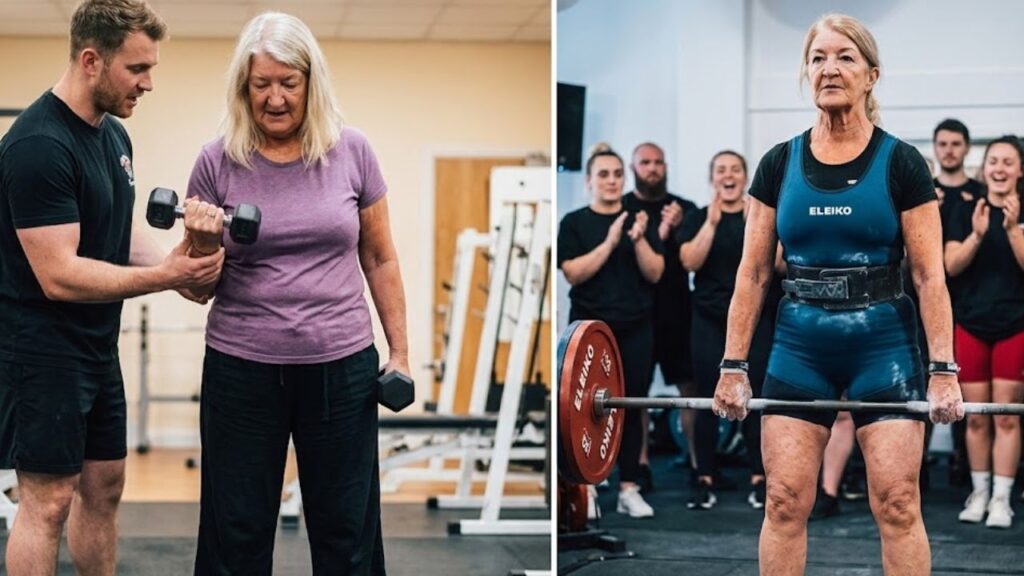

Many people rely on gym machines because they feel safe, simple, and effective. These machines often target specific muscles, making workouts easier for beginners and experienced individuals alike. However, not everyone has access to a gym or advanced equipment. That’s why a simple morning routine using bodyweight movements can be just as effective. These five exercises are designed to help reduce stubborn “apron belly” fat after 60 by activating core muscles that machines often fail to engage properly.
An apron belly, also called panniculus, is more than just a cosmetic concern. It often includes visceral fat, which surrounds internal organs and raises the risk of serious health conditions such as heart disease, stroke, type 2 diabetes, and certain cancers. Addressing this type of fat requires consistent movement and core-focused exercises rather than relying only on isolated machine workouts.
Why Apron Belly Fat Becomes Common After Midlife
As people move past 60, the body undergoes several changes that make fat accumulation around the abdomen more likely. Hormonal shifts, including reduced estrogen or testosterone levels, signal the body to store more fat around the midsection. Along with this, muscle mass naturally declines with age, especially in the lower abdominal area, leading to reduced support and a sagging appearance.
 Medicube K-Beauty Skincare Line Goes Viral Again as Almost Entire Range Appears in Massive Sale
Over time, gravity also contributes to this change, making the apron belly more noticeable. Instead of focusing only on isolated muscle training like gym machines do, it becomes important to engage multiple muscle groups together. Functional movements that strengthen deep core muscles can improve stability, posture, and overall fat reduction more effectively.

Standing Knee-to-Chest Movement
Start by standing upright with your posture straight. Lift one knee upward toward your chest while tightening your abdominal muscles, similar to a standing crunch. Lower your leg and repeat with the opposite side in a controlled rhythm. This movement helps activate the core without putting strain on the lower back. Aim for three sets of twenty alternating repetitions to build strength and improve balance.
Stomach Vacuum Technique
Stand tall and take a deep breath in. Slowly exhale all the air from your lungs, then pull your belly button inward toward your spine as much as possible. Hold this position for about ten seconds before relaxing. This exercise targets deep core muscles that are rarely activated during regular workouts. Perform five repetitions to improve core control and tighten the abdominal area over time.

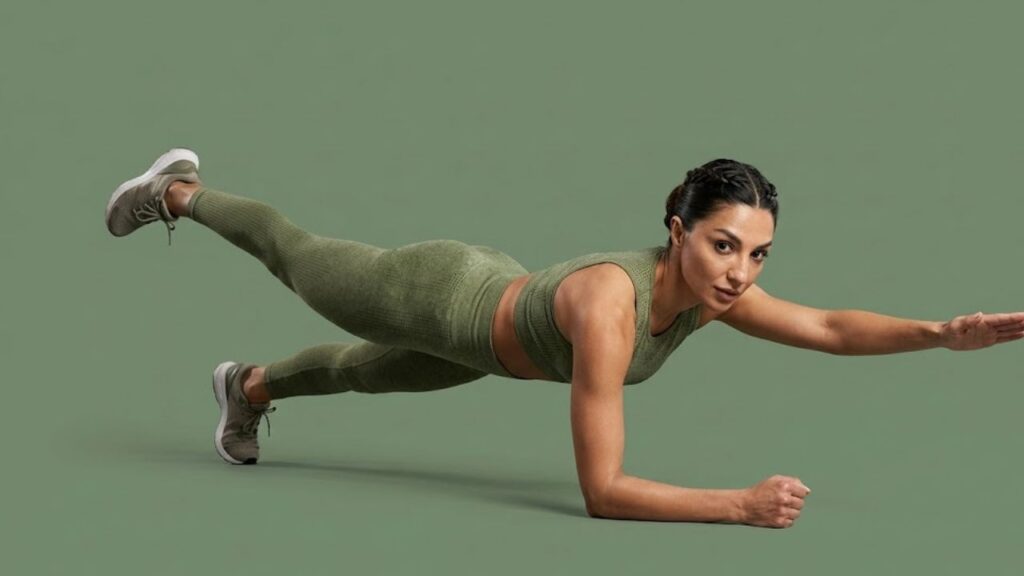
Bird-Dog Stability Exercise
Begin on all fours with your hands under your shoulders and knees under your hips. Extend your left arm forward and your right leg backward while keeping your core tight and body stable. Hold briefly, then return to the starting position and switch sides. Continue alternating for three sets of ten repetitions per side. This exercise enhances balance, coordination, and deep core strength.
Pelvic Tilt Activation
Lie on your back with your knees bent and feet flat on the floor. Gently tilt your hips to press your lower back into the ground, engaging your abdominal muscles. Hold for a moment and release slowly. This movement helps strengthen the lower core and supports better posture. Perform three sets of fifteen repetitions for best results.

Modified Mountain Climbers
Stand facing a sturdy surface like a countertop and place your hands on it for support. Quickly drive one knee toward your chest, then switch legs in a smooth, controlled motion. Keep your core engaged throughout the movement. This low-impact version reduces strain on joints while still providing an effective cardio and core workout. Aim for three sets of forty-five seconds each.