Understanding your hair type is the first step toward building a routine that truly works, especially for people with fine hair. Many individuals in the struggle to determine whether their strands are thin, fine, or simply lacking volume. Fine hair refers to the diameter of each strand rather than the total amount of hair on your scalp. Because the strands are delicate, they often require gentle care and lightweight products. Learning how to recognize the key signs of hair strand size and choosing the right routine can make a noticeable difference in achieving healthy hair.
Recognizing Fine Hair Characteristics and Texture
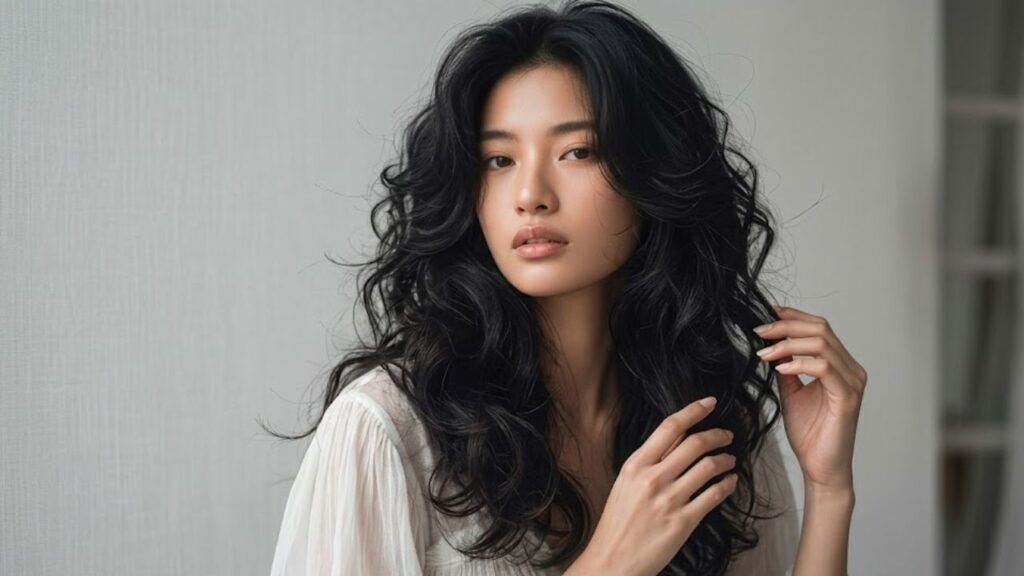
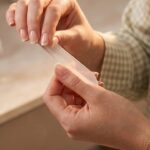
Fine hair is mainly defined by the diameter of each individual strand, which is usually much smaller than medium or coarse hair types. If you roll a single strand between your fingers and can barely feel it, chances are you have fine hair. Another common sign is that fine hair tends to lie flat against the scalp and may struggle to hold curls or styles for long periods. People with this hair type also notice that their hair becomes oily more quickly because the scalp’s natural oils travel faster along delicate strands. Despite these challenges, fine hair can look beautiful when properly cared for. Identifying hair texture type and understanding your strand thickness helps you choose products that add lift and maintain a natural soft appearance.
Common Challenges Faced by People With Fine Hair
While fine hair can appear silky and smooth, it often comes with a few styling challenges. One of the most common issues is lack of volume, which can make hairstyles look flat by the end of the day. Fine strands are also more vulnerable to breakage because they have less structural strength compared to thicker hair types. Heat styling, harsh brushing, and heavy products can quickly weigh the hair down or damage it. Because of this, experts recommend choosing lightweight formulas that nourish the hair without leaving residue. When managed properly, even delicate strands can look fuller and healthier. Focusing on volume support, protecting the natural hair structure, and avoiding heavy buildup can significantly improve the overall appearance of fine hair.
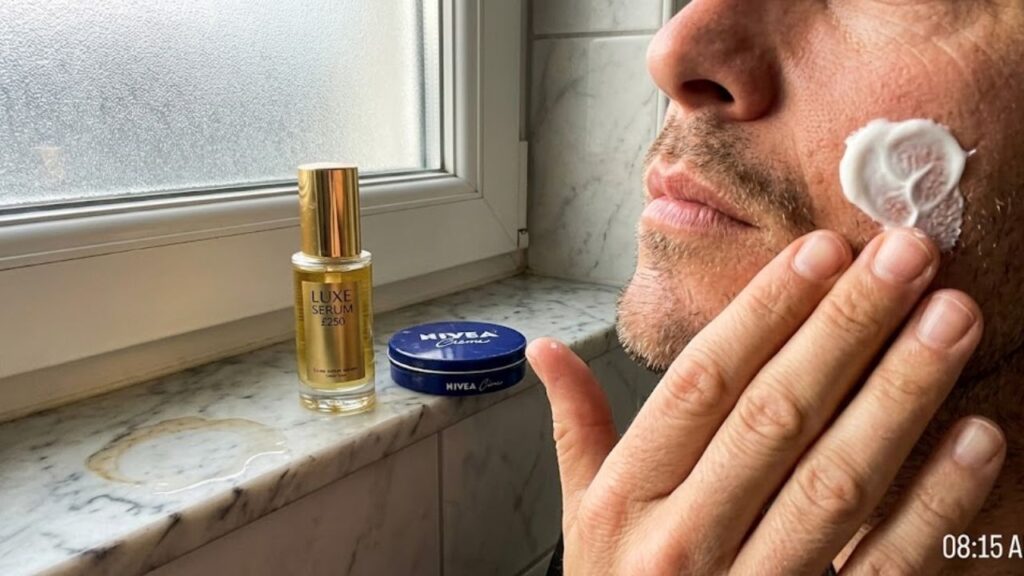
 Nivea Creme Keeps Beating Luxury Serums With Powerful Hydration and Skin Barrier Protection
Hair Care Tips for Maintaining Healthy Fine Hair
Taking care of fine hair requires a balanced approach that focuses on both nourishment and volume. Lightweight shampoos and conditioners designed for volume are often the best choice because they cleanse the scalp without leaving a heavy coating. Many stylists also recommend using root-lifting sprays or mousses that add body while keeping the hair flexible. Another helpful habit is minimizing excessive heat styling and opting for gentle brushing techniques that reduce strain on fragile strands. Regular trims can also prevent split ends and help hair appear thicker. A thoughtful routine that focuses on strengthening the hair and maintaining scalp health can produce impressive results. By prioritizing gentle hair care, supporting natural volume, and maintaining scalp balance, fine hair can look fuller and more vibrant.
 Skipping Heat Protectant Ruins Hair: Celebrity Stylists Reveal 10 Products They Trust Most
Understanding What Fine Hair Truly Needs
Ultimately, the key to managing fine hair lies in understanding what your strands actually need rather than following generic trends. Fine hair thrives with lightweight hydration, balanced cleansing, and styling techniques that enhance lift rather than weigh the hair down. Choosing products with nourishing ingredients such as proteins and botanical extracts can strengthen the strands while preserving softness. In addition, maintaining a healthy scalp ensures that new hair growth remains strong and resilient. Developing a personalized routine allows fine hair to show its natural beauty without unnecessary stress. When you focus on consistent care and thoughtful product selection, it becomes easier to maintain hair health routine, support lasting hair strength, and enjoy naturally smooth texture.
Many people assume that fine hair automatically means thin or sparse hair, but this is not always the case. Someone can have a large number of hair strands while each strand remains fine in diameter. Understanding this difference helps prevent the use of overly heavy products that flatten the hair. Instead, selecting lightweight conditioners, volumizing sprays, and gentle styling techniques can enhance the hair’s natural movement. Over time, consistent care improves manageability and shine. With the right routine and awareness of your hair’s needs, fine hair can maintain bounce, softness, and healthy growth while still feeling light and easy to style.